Garden centres are full of tools, and it is easy to buy far more than a small garden needs. Most everyday tasks can be handled with a short list of well-made basics. This guide separates the essentials from the nice-to-haves and covers simple care that helps tools last.
The essential few
For a typical small or medium garden, these tools cover most jobs:
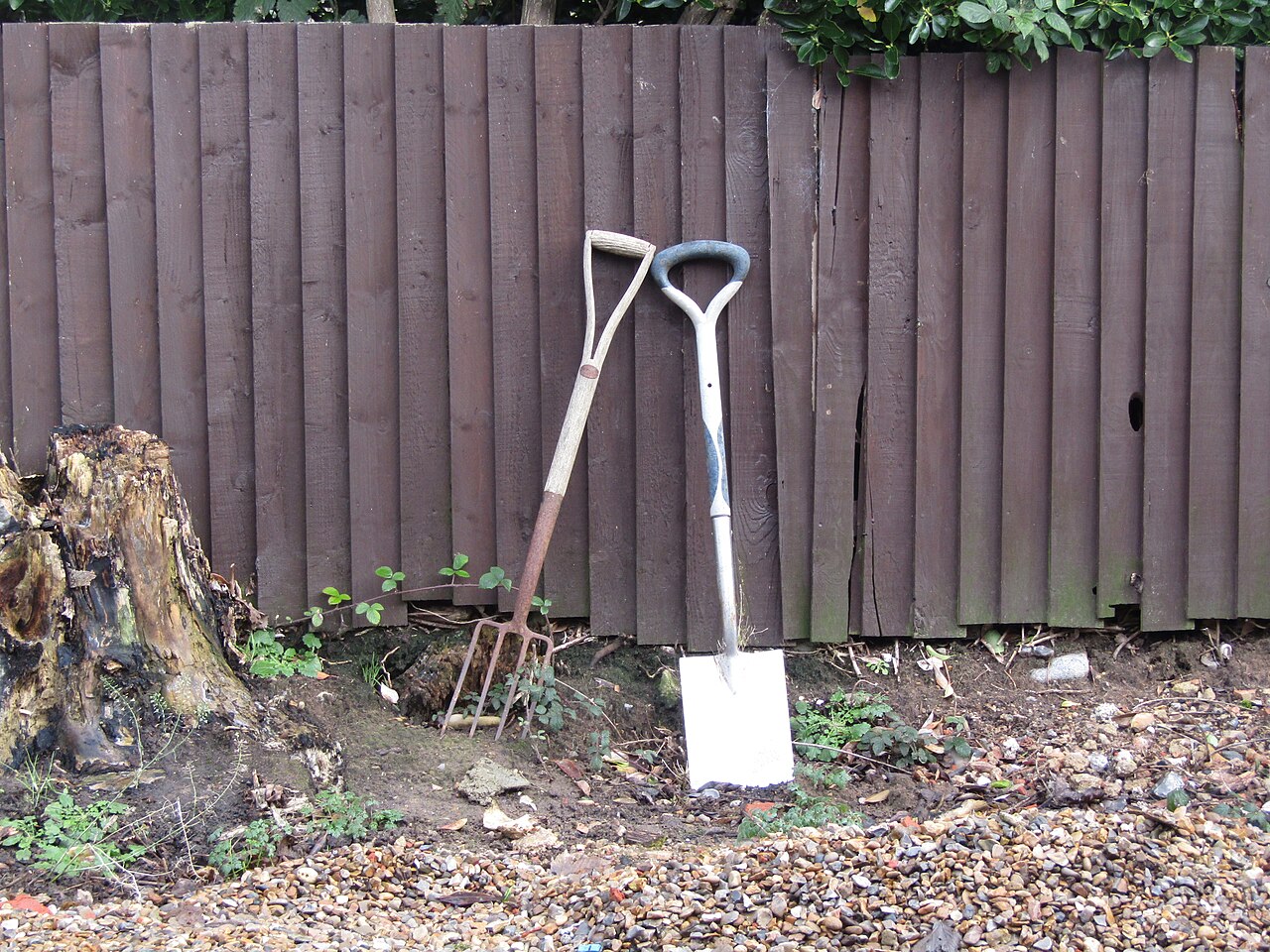

- A spade, for digging planting holes, edging and moving soil
- A garden fork, for loosening soil, lifting root crops and turning compost
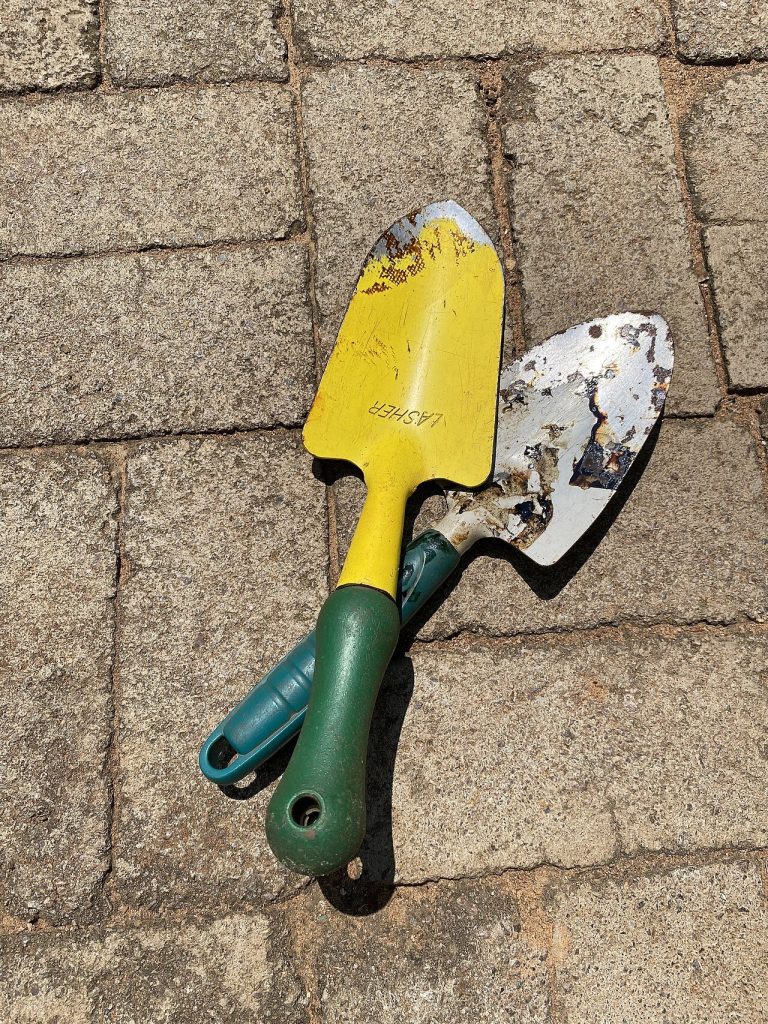
- A hand trowel, for planting seedlings, bulbs and small plants
- A hand fork, for weeding and loosening soil around plants
- Secateurs (pruning shears), for cutting stems, deadheading and light pruning
- A rake, for levelling soil and gathering leaves
- A watering can or a hose with an adjustable nozzle
- A pair of gardening gloves
With these, you can prepare beds, plant, weed, water, prune and tidy. Many experienced gardeners still rely mainly on this list.
Spade and fork
A spade has a flat blade and is used for cutting and lifting soil. A fork has tines and works better in heavy or stony soil, where a spade struggles, and for lifting potatoes without slicing them. Both come in different sizes; a smaller “border” spade or fork is lighter and easier to handle in tight spaces.
When choosing, hold the tool and check the handle length suits your height. A handle that is too short makes you bend more and can strain your back. Look for a solid joint between the blade and the shaft, which is where cheaper tools tend to fail.
Hand tools
A trowel and hand fork are used more often than almost any other tool. A trowel with a strong, one-piece neck is less likely to bend in compacted soil. Comfortable handles matter if you spend long periods planting or weeding.

Secateurs
There are two main types. Bypass secateurs work like scissors, with two curved blades passing each other, and make clean cuts on living stems. Anvil secateurs have one blade closing onto a flat surface and are better suited to dead, woody material. For most gardens, a good pair of bypass secateurs is the more useful choice.
Keep the blades clean and sharp. A clean cut heals faster than a crushed or torn one.
Rake
A metal garden rake with short, stiff tines is used to level soil and create a fine surface for sowing seeds. A wider leaf rake with flexible tines is for gathering leaves and grass clippings. If you only have room for one, choose based on your main task: soil preparation or leaf clearing.
Watering
A watering can with a removable rose (the perforated spout) is useful for seedlings and containers, because it delivers a gentle shower. For larger areas, a hose with an adjustable nozzle saves time. Soaker hoses or simple drip systems deliver water slowly to the soil and can reduce waste.
Gloves
Gloves protect hands from thorns, blisters and soil. Many gardeners keep two pairs: a light, flexible pair for planting and weeding, and a heavier pair for pruning thorny plants or handling rough materials.
Useful extras
Once the basics are covered, some additional tools make particular jobs easier:
- A hoe, for slicing weeds off at soil level between rows
- A wheelbarrow or garden cart, for moving compost, soil and plants
- Loppers, for branches too thick for secateurs
- A pruning saw, for larger branches
- A kneeling pad, which makes ground-level work more comfortable
- A dibber, for making planting holes for seedlings and bulbs
- Plant labels and a waterproof marker
These are worth buying when you find yourself needing them rather than all at once.
Quality versus price
Cheap tools often bend, snap or rust quickly, while well-made ones can last decades. A reasonable approach is to spend more on tools you use often or that take heavy strain, such as a spade, fork and secateurs, and less on occasional-use items. Second-hand tools from markets or estate sales can be excellent value, especially older forged steel tools.
Looking after tools
Simple care keeps tools working well:
- Scrape off soil after use, before it dries hard.
- Dry metal parts to slow rusting.
- Wipe blades with a little oil occasionally, especially before winter.
- Sharpen secateurs, hoes and spades from time to time with a file or sharpening stone.
- Clean pruning tools between plants if you are cutting out diseased growth.
- Store tools somewhere dry, ideally hanging up rather than leaning on the floor.
Wooden handles benefit from an occasional coat of linseed oil, which helps prevent cracking.
Safety
Store sharp tools out of reach of children, and keep secateurs closed when not in use. Rakes left with the tines facing up are a familiar trip hazard. When digging, use your legs rather than your back, and take breaks during long jobs.
Accessibility
For gardeners with limited mobility or grip strength, there are tools with longer handles, lightweight materials, and thicker or angled grips. Raised beds and kneeling stools can also reduce bending. Many gardening charities and organisations offer guidance on adaptive tools.
Borrowing and sharing
Some communities run tool libraries or shared sheds where larger, rarely used tools such as cultivators, long ladders and hedge trimmers can be borrowed. Sharing occasional-use tools with neighbours is another way to save money and storage space while still having access to the right tool for a job.
Summary
A spade, fork, trowel, hand fork, secateurs, rake, watering equipment and gloves will cover most of what a home garden needs. Add other tools only as specific jobs call for them, buy quality where it matters most, and spend a few minutes cleaning tools after use. Well-chosen basics, properly looked after, can serve a garden for many years.
Discover more from Gardening Stuff
Subscribe to get the latest posts sent to your email.