Many homes have rooms or corners that receive little direct sunlight. No plant grows in darkness, but some tolerate lower light much better than others. This guide explains how to judge light levels, lists plants commonly recommended for low light, and covers the watering mistakes that cause most problems.
What “low light” means
Houseplant labels use terms such as bright, medium and low light. Indoors, light falls off sharply with distance from a window. A spot a couple of metres from a window may receive a small fraction of the light right next to it.

A practical guide:
- Bright light: near a sunny window, with some direct sun.
- Medium light: near a window without direct sun, or a few feet back from a sunny window.
- Low light: further into the room, near a north-facing window (in the Northern Hemisphere), or in a room with small or shaded windows.
A rough check is to look at shadows at midday. A sharp shadow suggests bright light; a soft, faint shadow suggests medium to low light; little or no shadow suggests very low light, where most plants will struggle. Free light-meter apps can give a rough idea, though readings vary between phones.
Low light does not mean no light
“Low-light tolerant” plants survive in dimmer conditions but usually grow slowly there. Most still prefer more light and will grow better near a window. A spot where you could comfortably read during the day is a reasonable minimum. Plants placed in rooms without windows generally need artificial light.
Plants commonly recommended for low light
These plants are widely described as tolerating lower light:
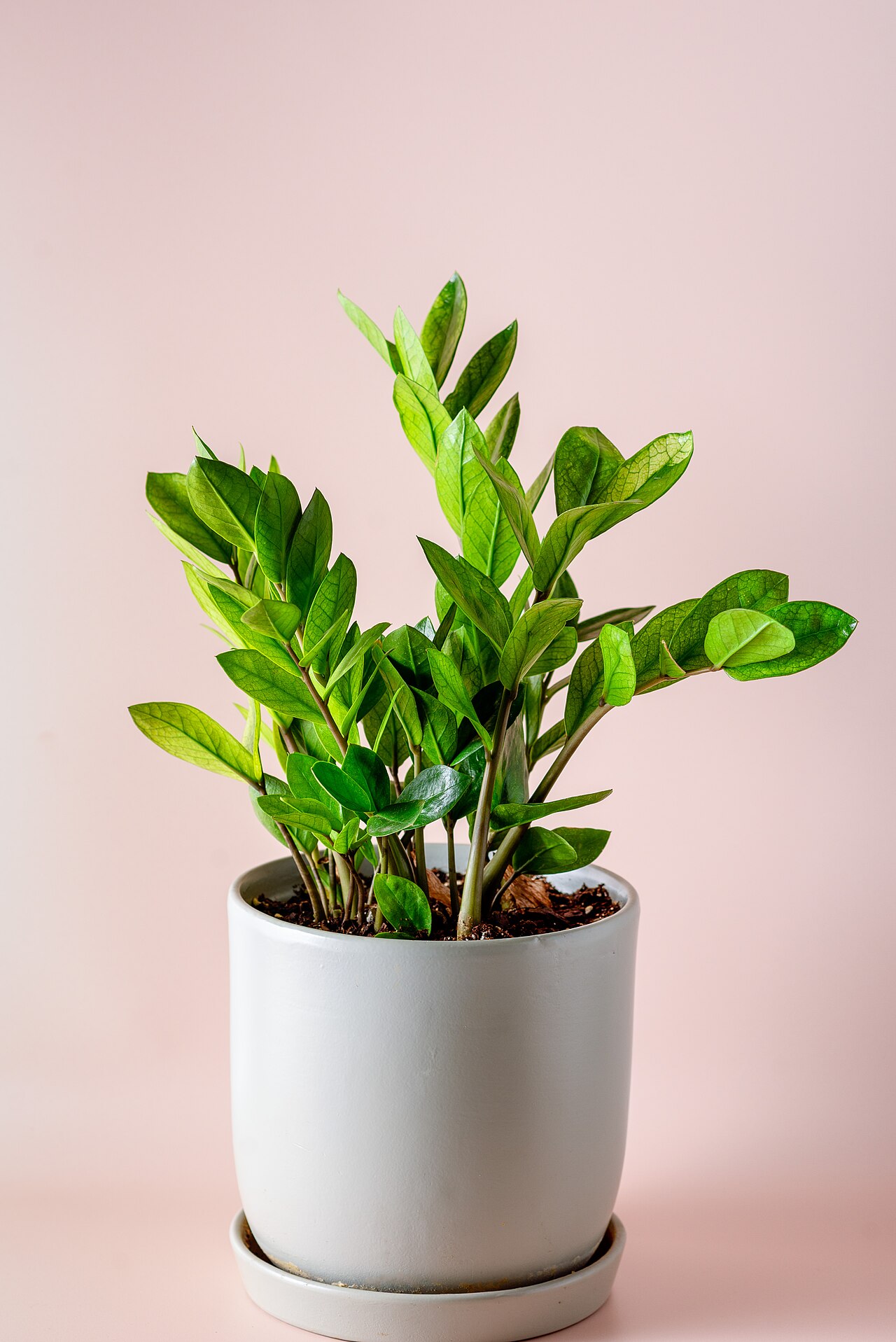
- ZZ plant (Zamioculcas zamiifolia): thick, glossy leaves and underground rhizomes that store water. Very tolerant of neglect.
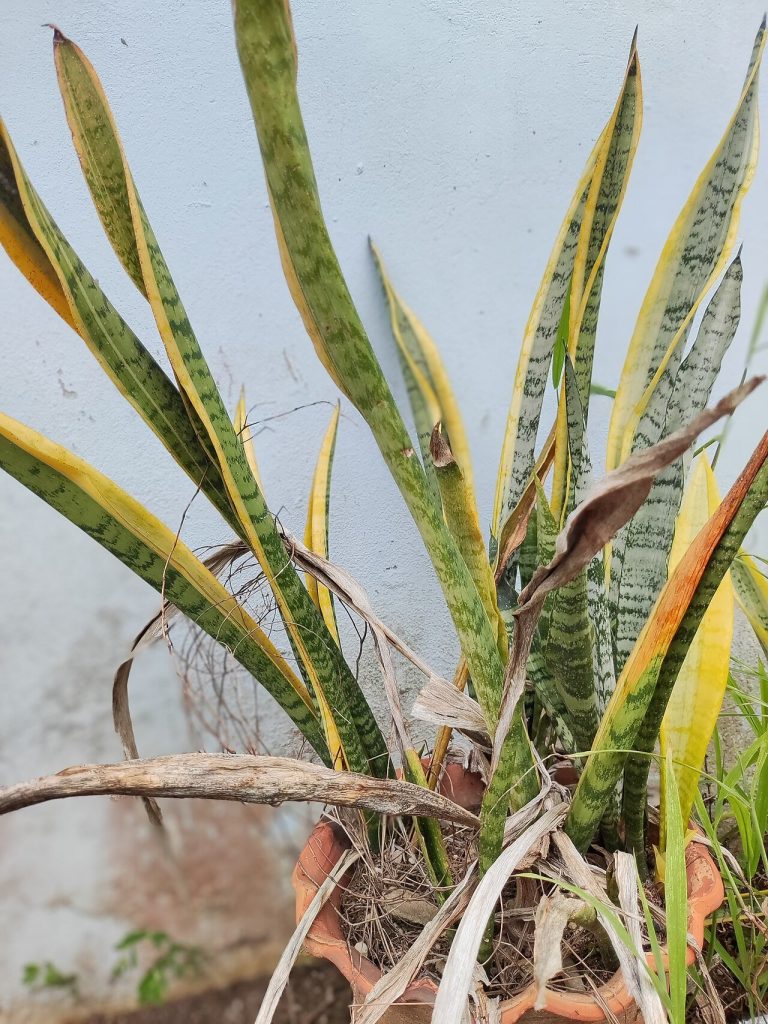
- Snake plant (Dracaena trifasciata, formerly Sansevieria): upright, sword-like leaves; tolerates low light and infrequent watering.
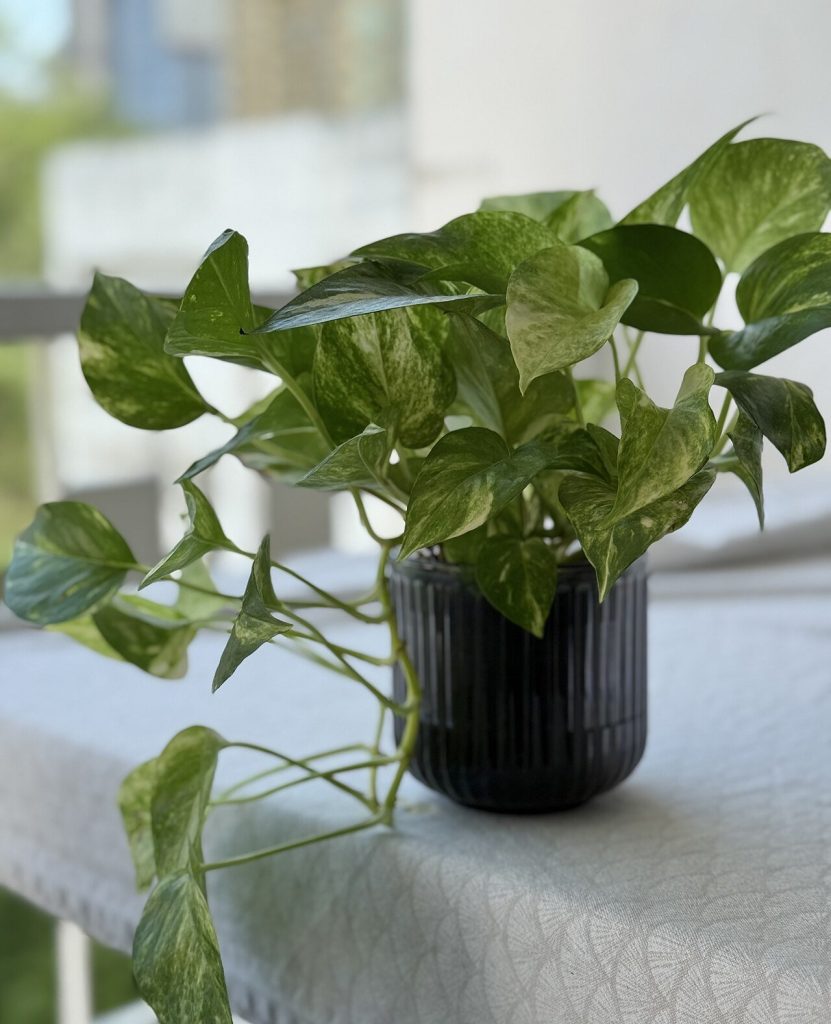
- Pothos (Epipremnum aureum): trailing vine; variegated forms may lose some variegation in low light.
- Cast iron plant (Aspidistra elatior): known for tolerating dim, cool conditions.
- Peace lily (Spathiphyllum): tolerates lower light, though it flowers more with brighter light; droops visibly when dry.
- Heartleaf philodendron (Philodendron hederaceum): trailing or climbing, adaptable to various light levels.
- Chinese evergreen (Aglaonema): many leaf patterns; darker green types tolerate lower light better.
- Parlour palm (Chamaedorea elegans): a small palm suited to indirect light.

Watering in low light
Overwatering is the most common cause of failure for low-light plants. In dimmer conditions, plants use water more slowly, and the potting mix stays wet for longer. Constantly wet soil can lead to root rot.
Practical tips:
- Water only when the top few centimetres of potting mix feel dry; for ZZ and snake plants, let most of the mix dry out.
- Use pots with drainage holes and empty saucers after watering.
- Water less in winter, when growth slows.
- Check by feel rather than following a fixed schedule.
Potting mix and pots
A free-draining potting mix suits most of these plants. ZZ and snake plants do well in mixes designed for cacti or with added grit or perlite. Choose a pot only slightly larger than the root ball when repotting; a large volume of wet mix around small roots stays damp too long.
Feeding
Plants in low light grow slowly and need little fertiliser. Feeding lightly during spring and summer, at or below the rate on the product label, is usually enough. Overfeeding can damage roots.
Cleaning leaves
Dust on leaves reduces the light a plant can use. Wipe large leaves gently with a damp cloth every so often, or rinse plants in the shower with lukewarm water.
Rotating and moving plants
Plants tend to lean towards the light. Turning them a quarter turn every week or two keeps growth more even. If a plant becomes leggy, with long gaps between leaves, or stops producing new leaves, it likely needs more light. Moving it closer to a window, even for part of the year, can help.

Supplementing with grow lights
LED grow lights, including simple bulbs that fit standard fittings, can extend the range of places where plants grow well. Positioning the light within the distance recommended by the manufacturer and using a timer for consistent day length works well.
A note on pets and children
Several popular low-light plants, including pothos, philodendron, peace lily, ZZ plant, snake plant and aglaonema, are listed as toxic to cats and dogs by animal welfare organisations such as the ASPCA, usually causing mouth and stomach irritation if chewed. Cast iron plant and parlour palm are generally listed as non-toxic. Check the specific plant before bringing it home and place plants out of reach where needed.
Choosing a healthy plant
When buying, look for firm stems, leaves without large brown patches or yellowing, and no visible pests on the undersides of leaves or in the potting mix. Gently check that the plant is not loose in its pot, which can indicate root problems. Plants that have been sitting in dim shops for a long time may need a few weeks to adjust to your home; some leaf drop during this period is normal.
Common problems and likely causes
- Yellowing lower leaves with wet soil: usually overwatering.
- Brown, crispy leaf tips: often low humidity, irregular watering or salt build-up from fertiliser.
- Long, stretched stems with small leaves: not enough light.
- No new growth for months: low light or winter dormancy; wait for spring before acting.
Summary
Low-light houseplants such as ZZ plant, snake plant, pothos, cast iron plant and peace lily tolerate dimmer rooms but still need some natural light. Water sparingly, use free-draining pots, feed lightly, keep leaves clean, and move plants closer to a window if they stop growing. Check pet safety before choosing.
Discover more from Gardening Stuff
Subscribe to get the latest posts sent to your email.