Every garden has insects and other creatures, and most of them are harmless or helpful. A few can damage plants when their numbers build up. This guide covers some common garden pests and gentle ways to prevent and manage them, focusing on observation, physical methods and encouraging natural predators. It does not give pesticide recommendations; if you choose to use any product, follow its label and local regulations.
Start with observation
Regular checks are the most effective tool. Walk around the garden every few days and look at the undersides of leaves, growing tips and new shoots. Problems caught early are much easier to manage. It also helps to identify what you are seeing: many insects are predators of pests, and some damage is cosmetic and does not affect a plant’s health.

Aphids
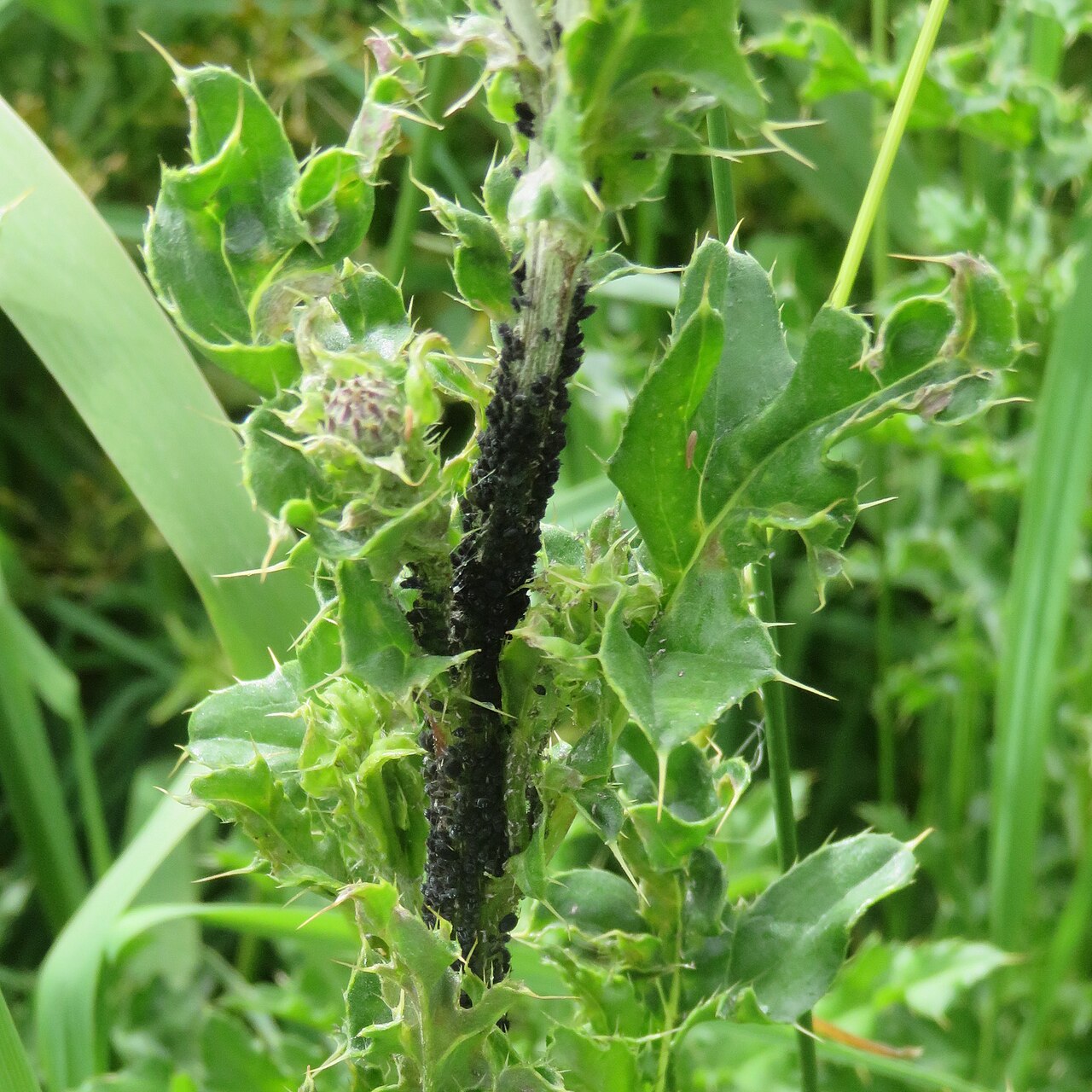
Aphids are small, soft-bodied insects, often green or black, that cluster on shoot tips and the undersides of leaves and feed on sap. Heavy infestations can distort new growth and leave sticky honeydew, on which sooty mould may grow.
Gentle management:
- Squash small colonies by hand or wipe them off.
- Spray with a strong jet of water to dislodge them.
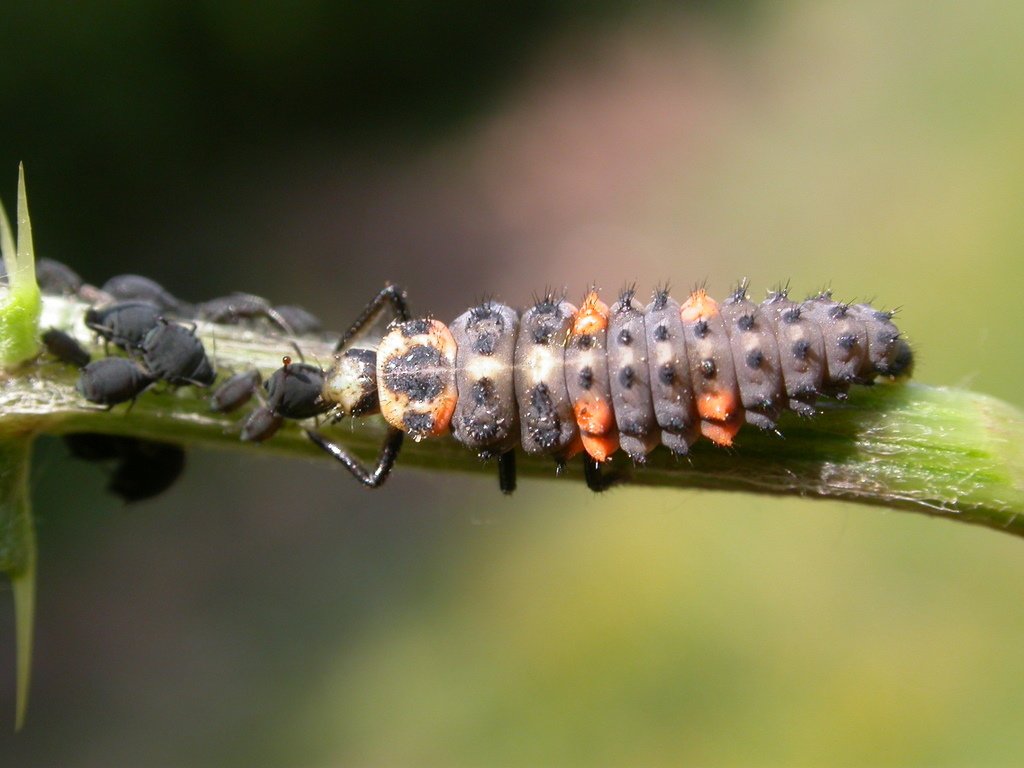
- Encourage ladybirds, lacewings, hoverflies and parasitic wasps, which feed on aphids.
- Avoid excessive nitrogen feeding, which produces soft growth aphids favour.
Aphid numbers often rise in spring and then fall as predators catch up.
Slugs and snails
Slugs and snails eat seedlings, soft leaves and fruit, mainly at night and in damp weather. They leave irregular holes and slime trails.
Gentle management:
- Check plants and remove slugs and snails by hand in the evening or after rain.
- Water in the morning so the soil surface is drier at night.
- Protect seedlings with barriers or cloches, and raise them to a sturdier size before planting out.
- Encourage predators such as birds, frogs, toads, hedgehogs and ground beetles.
- Use beer traps, sunk into the soil with the rim slightly above the surface.
Many slug species feed mainly on decaying material and are part of a healthy garden ecosystem.
Caterpillars
Caterpillars of some butterflies and moths eat leaves of vegetables such as cabbages, kale and broccoli. Signs include holes in leaves and droppings.
Gentle management:
- Check undersides of leaves for eggs and caterpillars and remove them by hand.
- Cover brassicas with fine insect mesh to stop butterflies laying eggs.
- Encourage birds and parasitic wasps.
Remember that many caterpillars become valued butterflies and moths, so it is worth accepting some damage on ornamental plants.
Vine weevils
Adult vine weevils notch the edges of leaves, while the white, C-shaped larvae feed on roots, particularly of container plants. A sudden collapse of a potted plant can indicate larvae in the roots.
Gentle management includes checking plants at night with a torch and removing adults, inspecting roots when repotting, and using biological controls with beneficial nematodes, which are applied according to the supplier’s instructions.
Whiteflies
Whiteflies are tiny white insects that fly up when plants are disturbed, common on tomatoes and indoor plants. Yellow sticky traps can help monitor and reduce numbers, especially in greenhouses. Encouraging predators and removing heavily infested leaves also help.
Prevention through healthy plants
Healthy plants cope better with pests. Some practices that help:
- Choose plants suited to your soil, light and climate.
- Give plants enough space for air to circulate.
- Water and feed appropriately, avoiding stress from drought or excess.
- Rotate vegetable crops to reduce build-up of soil pests.
- Remove damaged or diseased material promptly.
- Choose resistant varieties where available.
Physical barriers
Barriers are often among the most reliable controls:
- Fine mesh or fleece over crops to keep out flying insects such as carrot fly and cabbage white butterflies
- Collars around the base of brassica seedlings to deter cabbage root fly
- Netting to keep birds off fruit
- Cloches to protect seedlings
Barriers need to be in place before pests arrive and sealed at the edges to work well.
Encourage natural predators
A garden that supports predators tends to keep pests in check. Ladybirds, lacewings, hoverflies, ground beetles, spiders, birds, frogs and hedgehogs all eat pests. To support them:
- Grow a variety of flowering plants.
- Provide water, such as a shallow dish or small pond.
- Leave some areas less tidy, with leaf litter, log piles or long grass.
- Avoid broad-spectrum pesticides, which kill predators as well as pests.

Accept some damage
A perfectly unmarked garden is rarely realistic. A tolerance for some holes and blemishes means fewer interventions and a healthier balance of insects. Focus attention on serious damage to young plants or crops you value.
When to seek advice
If a pest problem is severe, unusual or persistent, local extension services, gardening organisations or nurseries can help identify it and suggest options suitable for your area. Some regions also have reporting systems for invasive pests.
Keeping a pest diary
Writing down when pests appear each year, which plants they affect and what you did helps you prepare. Many pests arrive at roughly the same time each season, so a note in your diary can remind you to put up mesh or start checks a week or two before they usually show up.
Mammals and birds
Larger visitors such as rabbits, deer, squirrels and pigeons can also damage plants. Fencing, netting and cages are generally the most effective protection. Rabbit fencing usually needs to be buried a little below ground, and deer fencing needs to be tall. Netting should be pulled taut and checked regularly so birds and other wildlife do not become tangled in it.
Summary
Most garden pests can be managed through regular observation, hand removal, physical barriers, healthy growing conditions and encouraging natural predators. Accepting some damage and avoiding broad-spectrum chemicals helps maintain a balanced garden where pests are kept in check over time.
Discover more from Gardening Stuff
Subscribe to get the latest posts sent to your email.