There is no single schedule that suits every garden. How often to water depends on the weather, the soil, the plants and whether they are in the ground or in containers. This guide explains how to judge when water is needed, how to water effectively, and how to reduce the amount needed.
Check the soil, not the calendar
The most reliable guide is the soil itself. Push a finger into the soil to about the depth of the second knuckle, around 5 cm (2 inches). If it feels dry at that depth, most garden plants will benefit from watering. If it feels moist, it can usually wait. For containers, check the top couple of centimetres and lift the pot if possible; a dry pot is noticeably lighter.
Wilting can indicate thirst, but some plants wilt in midday heat even when the soil is moist and recover in the evening. Checking soil moisture avoids watering unnecessarily.
Deep and less often
A common recommendation for established plants in the ground is to water deeply and less often rather than lightly every day. A deep watering moistens soil further down and encourages roots to grow deeper, where the soil stays cooler and moister. Frequent light watering keeps moisture near the surface and can lead to shallow roots that suffer in dry spells.
As a rough guide, many vegetable gardens need around 2.5 cm (1 inch) of water a week, including rain, adjusted for temperature, wind and soil type. A rain gauge or a straight-sided container left in the garden can show how much rain has fallen.
Soil type matters
Sandy soils drain quickly and hold little water, so they need water more often, in smaller amounts. Clay soils hold water longer but absorb it slowly; water more slowly or in stages so it soaks in rather than running off. Adding organic matter such as compost improves water retention in sandy soils and drainage in clay soils.
New plants and seedlings
Seeds and seedlings have small or no root systems and need the soil surface to stay moist, which may mean light watering daily in warm weather. Newly planted perennials, shrubs and trees need regular watering through their first season while roots spread into the surrounding soil. Trees can take more than a year to establish.
Containers
Plants in containers dry out much faster than plants in the ground, particularly small pots, terracotta, and pots in sun or wind. In hot weather, containers may need water daily or even twice a day. Larger containers, saucers, self-watering pots and water-retaining potting mixes can help, but avoid letting pots sit in standing water for long periods, which can cause roots to rot.
Lawns
Established lawns in many temperate climates can survive dry periods by going dormant and turning brown, then recover when rain returns. If you do water a lawn, deep, infrequent watering is generally recommended over frequent sprinkling.
Best time of day
Early morning is usually considered the best time to water. Temperatures are cooler, less water is lost to evaporation, and leaves dry quickly in the sun, which reduces the risk of some fungal diseases. Evening watering also reduces evaporation but can leave foliage wet overnight. Watering in the heat of midday loses more water to evaporation, though thirsty plants should be watered whenever needed.
Water the roots, not the leaves
Aim water at the base of the plant, where roots can use it. Overhead watering wets leaves and can encourage diseases such as powdery mildew and blight on susceptible plants. Watering cans with long spouts, soaker hoses and drip irrigation all deliver water close to the roots.
Signs of too much water
Overwatering is as harmful as underwatering. Signs include yellowing lower leaves, wilting despite wet soil, mushy stems, a sour smell, and fungus gnats in containers. Roots need air as well as water, and constantly saturated soil starves them of oxygen.
Reducing the need to water
Several practices reduce how much watering a garden needs:
- Mulch the soil surface with compost, bark, straw or leaf mould to slow evaporation.
- Add organic matter to improve the soil’s ability to hold water.
- Group plants with similar water needs together.
- Choose drought-tolerant plants for dry, sunny spots.
- Collect rainwater in water butts or barrels.
- Control weeds, which compete for water.
- Provide shade or wind shelter where practical.
Watering systems
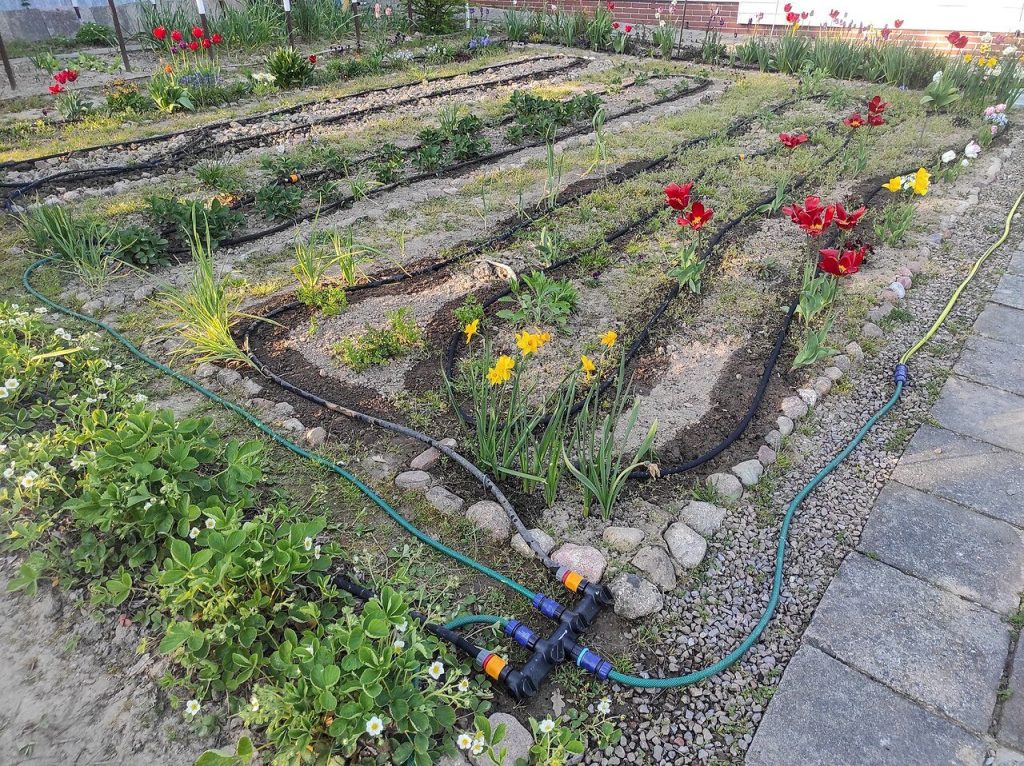
Drip lines and soaker hoses deliver water slowly to the soil and waste less than sprinklers. Simple timers can make watering consistent, but check soil moisture periodically and adjust for rain. Many timers can be paused during wet weather.

Watering restrictions
In dry periods, local authorities may restrict the use of hoses or sprinklers. Rainwater collection, mulching and focusing water on the plants that need it most help in these situations. Established shrubs and perennials often cope better than expected.
Holidays and time away
Going away in summer is a common worry. Before leaving, water everything deeply, move containers into shade and group them together, and add mulch. Self-watering spikes, capillary matting or a simple timer can cover a short absence. For longer trips, asking a neighbour to check containers is often the most reliable option.
Using rainwater
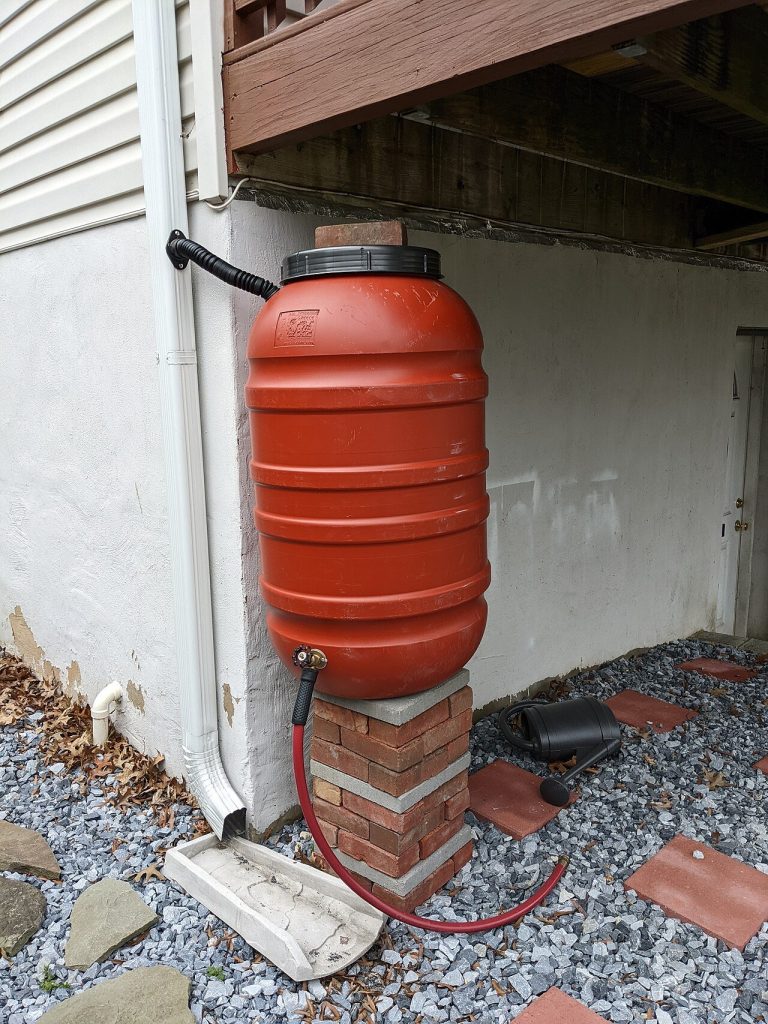
Rainwater collected from roofs in water butts or barrels is suitable for most garden plants and is often preferred for acid-loving plants such as blueberries and camellias. Keep lids on to prevent mosquitoes breeding and to keep children and animals safe.

Summary
Water when the soil is dry a few centimetres down, deeply rather than lightly, and at the roots in the morning. Expect containers, seedlings and new plants to need water more often. Improving soil, mulching and grouping plants by need reduce how often you have to water at all.
Discover more from Gardening Stuff
Subscribe to get the latest posts sent to your email.