Composting turns kitchen scraps and garden waste into a dark, crumbly material that improves soil. It reduces the amount of waste sent to landfill and provides a free soil improver for the garden. This guide covers how composting works, what to add, bins and heaps, and how to solve common problems.
How composting works
Compost is produced by microorganisms, along with worms, insects and other small creatures, breaking down organic material. They need four things: a mix of carbon and nitrogen sources, moisture, air, and time. When those are roughly in balance, material breaks down steadily without bad smells.

Greens and browns
Composting guides usually divide materials into two groups:
- Greens are nitrogen-rich, moist materials such as vegetable and fruit scraps, coffee grounds, tea leaves, fresh grass clippings and young plant trimmings.
- Browns are carbon-rich, drier materials such as dry leaves, straw, shredded paper, cardboard, small twigs and sawdust from untreated wood.
A common guideline is to aim for roughly equal volumes of greens and browns, or somewhat more browns. Too many greens tend to make a wet, smelly heap; too many browns make a dry heap that breaks down slowly.
What not to add
For a typical home compost bin, it is usually recommended to avoid:
- Meat, fish and dairy products, which can attract pests and smell
- Cooked food with oils or fats
- Pet waste from cats and dogs
- Diseased plants
- Weeds that have set seed, or persistent perennial weed roots
- Coal or charcoal ash
- Glossy or coated paper and plastics
Some of these can be handled by specialist systems such as bokashi or hot composting, but they are best avoided in a simple bin.
Choosing a method
There are several ways to compost at home:
- Open heap: simple and free, suited to larger gardens.
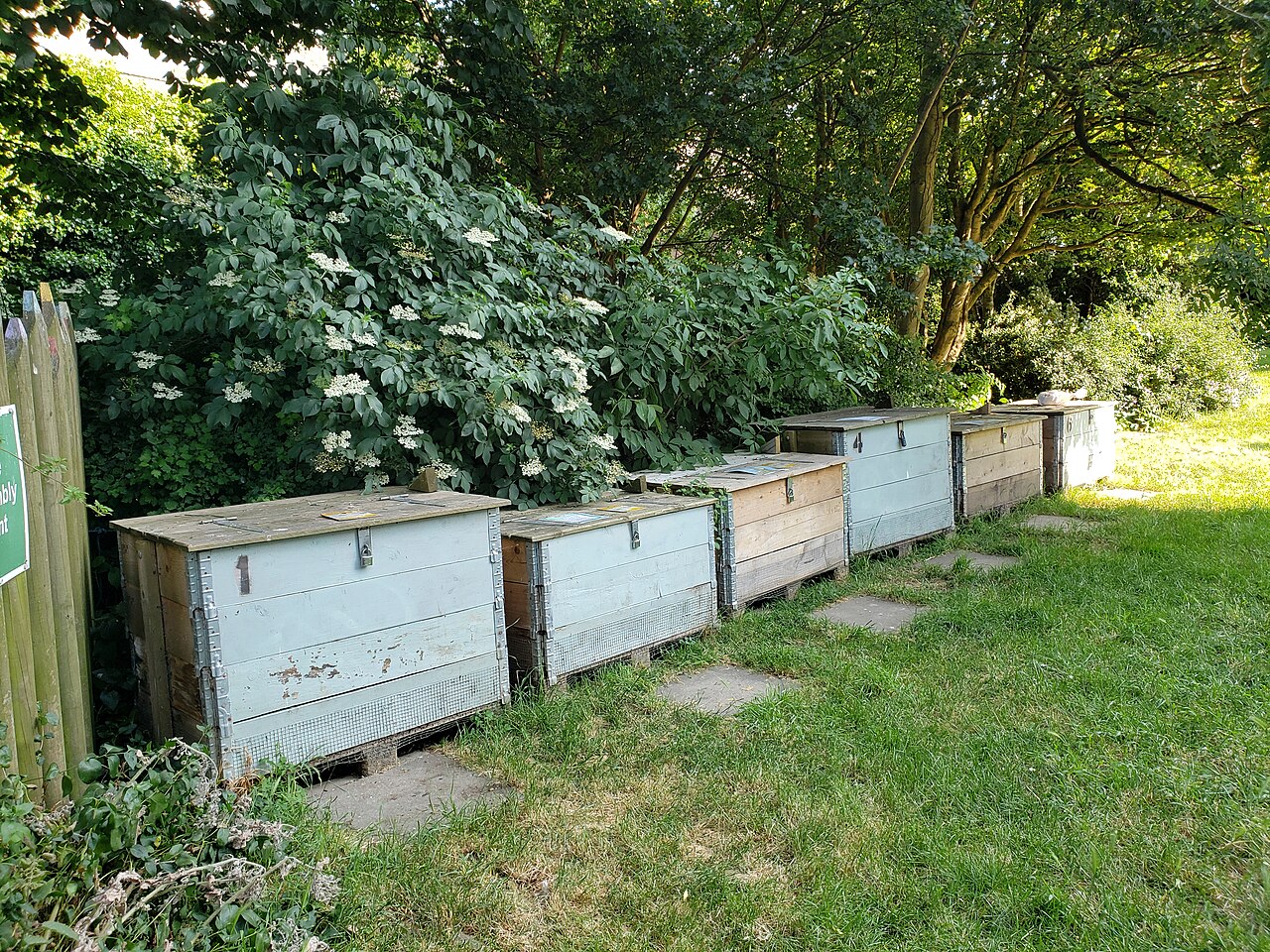
- Enclosed bin: plastic or wooden bins keep material tidy and retain heat and moisture.
- Bay system: two or three wooden bays allow one to fill while another matures.
- Tumbler: a rotating drum that makes turning easier, though capacity is limited.
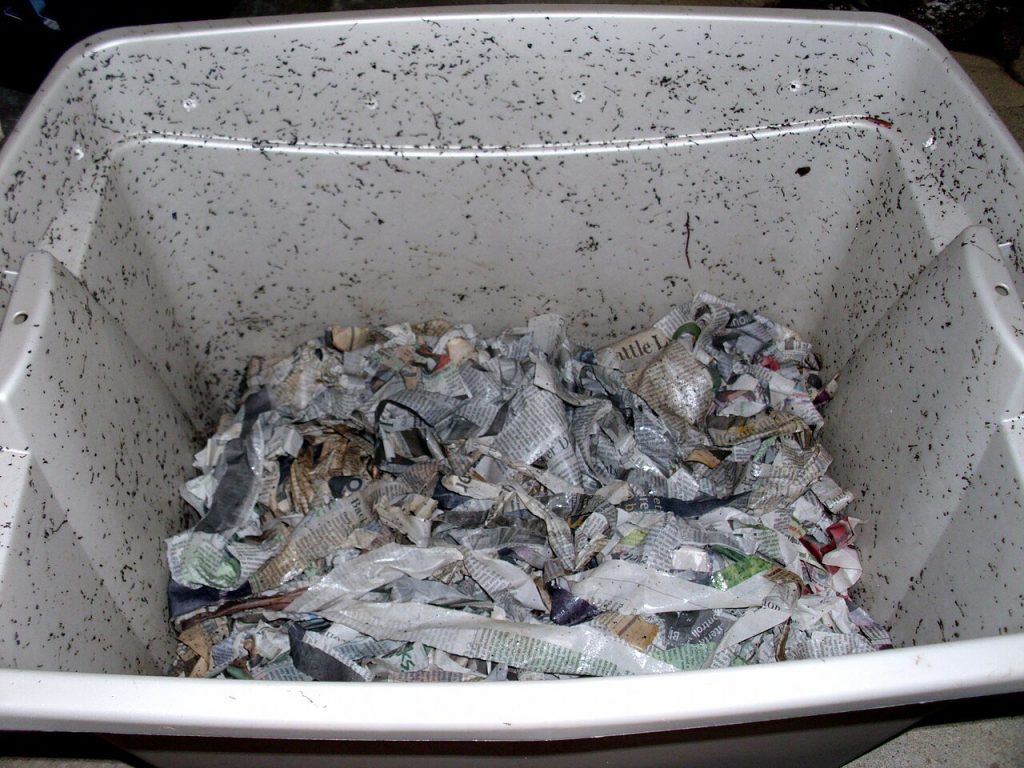
- Wormery: a container of composting worms that process kitchen scraps, suitable for small spaces.
Many local councils and municipalities offer compost bins at reduced prices.
Where to put it
Place a bin or heap on bare soil if possible, which allows worms and other organisms to move in and excess water to drain. A level spot in partial shade helps prevent it drying out too quickly in summer. Make sure it is easy to reach from the kitchen, especially in winter.
Building the heap
- Start with a layer of coarse browns, such as twigs or straw, to help air flow at the base.
- Add greens and browns as they become available, mixing or layering them.
- Chop or tear larger pieces to speed up breakdown.
- Keep the material about as moist as a wrung-out sponge.
- Turn or mix the heap every few weeks if you can, to add air.
Hot and cold composting
Cold composting, where material is added gradually and turned occasionally, is the most common home method. It is low effort but can take a year or more to produce finished compost.
Hot composting involves building a large heap all at once with a good mix of greens and browns, then turning it regularly. Heaps can reach high temperatures that speed decomposition and kill many weed seeds. It produces compost in a few months but requires more work and material.
Common problems
- Smells bad or is slimy: too many greens or too wet. Add browns and mix to add air.
- Not breaking down: too dry or too many browns. Add greens and water, and mix.
- Fruit flies: bury fresh scraps in the heap and cover with browns.
- Rodents: avoid meat and cooked food, and consider a bin with a base of fine wire mesh.
- Ants: the heap is probably too dry; add water and greens.
When is it ready?
Finished compost is dark, crumbly and smells earthy. You should not be able to recognise most of the original materials, though a few woody pieces are normal. These can be sieved out and returned to the heap. Using compost before it is fully broken down can tie up nitrogen in the soil temporarily.
Using compost
Compost can be:
- Spread on beds as a mulch a few centimetres deep
- Dug lightly into new beds
- Mixed with other materials for potting, though garden compost alone is usually too rich and variable for seedlings
- Used to top-dress lawns, sieved fine
Spreading compost on the soil in autumn or spring, and letting worms take it down, is a simple way to improve soil structure over time.
Leaf mould
Fallen leaves break down slowly by a different process, mainly through fungi. Many gardeners collect leaves separately in a wire cage or bags with holes and leave them for a year or two to make leaf mould, which is useful as mulch and in potting mixes.
Composting in small spaces
Without a garden, options include a wormery, a bokashi bin (a fermentation system for kitchen scraps), or community composting schemes. Some areas collect food waste for municipal composting.

How long does it take?
Timescales vary widely. A well-managed hot heap may produce usable compost in two to three months, while a cold bin added to gradually often takes nine months to two years. Warmer weather, smaller pieces, a good mix of materials and regular turning all speed things up. Many gardeners run two bins so one can mature while the other is being filled.
Summary
Composting is a matter of balancing greens and browns, keeping the material moist and aerated, and waiting. Choose a method that suits your space, avoid problem materials, and adjust when the heap is too wet or too dry. The result is a valuable soil improver made from material that would otherwise be thrown away.
Discover more from Gardening Stuff
Subscribe to get the latest posts sent to your email.