Companion planting is the practice of growing certain plants near each other because they are thought to benefit one another. Charts of “good” and “bad” companions circulate widely, but the evidence behind individual pairings varies a lot. This guide explains the mechanisms that are reasonably well supported, looks at some common claims, and suggests a practical approach.
Why companion planting might work
When a pairing does help, it usually works through one of a few mechanisms:

- Physical support or shelter, where one plant provides structure or shade for another
- Attracting beneficial insects, such as pollinators and predators of pests
- Trap cropping, where a plant draws pests away from a more valuable crop
- Masking or confusing pests, for example with strong scents or mixed plantings that make host plants harder to find
- Nutrient effects, mainly the nitrogen associated with legumes
- Efficient use of space, by combining plants with different heights, root depths or growth speeds
Understanding the mechanism makes it easier to judge whether a suggested pairing is likely to help in your garden.
The Three Sisters
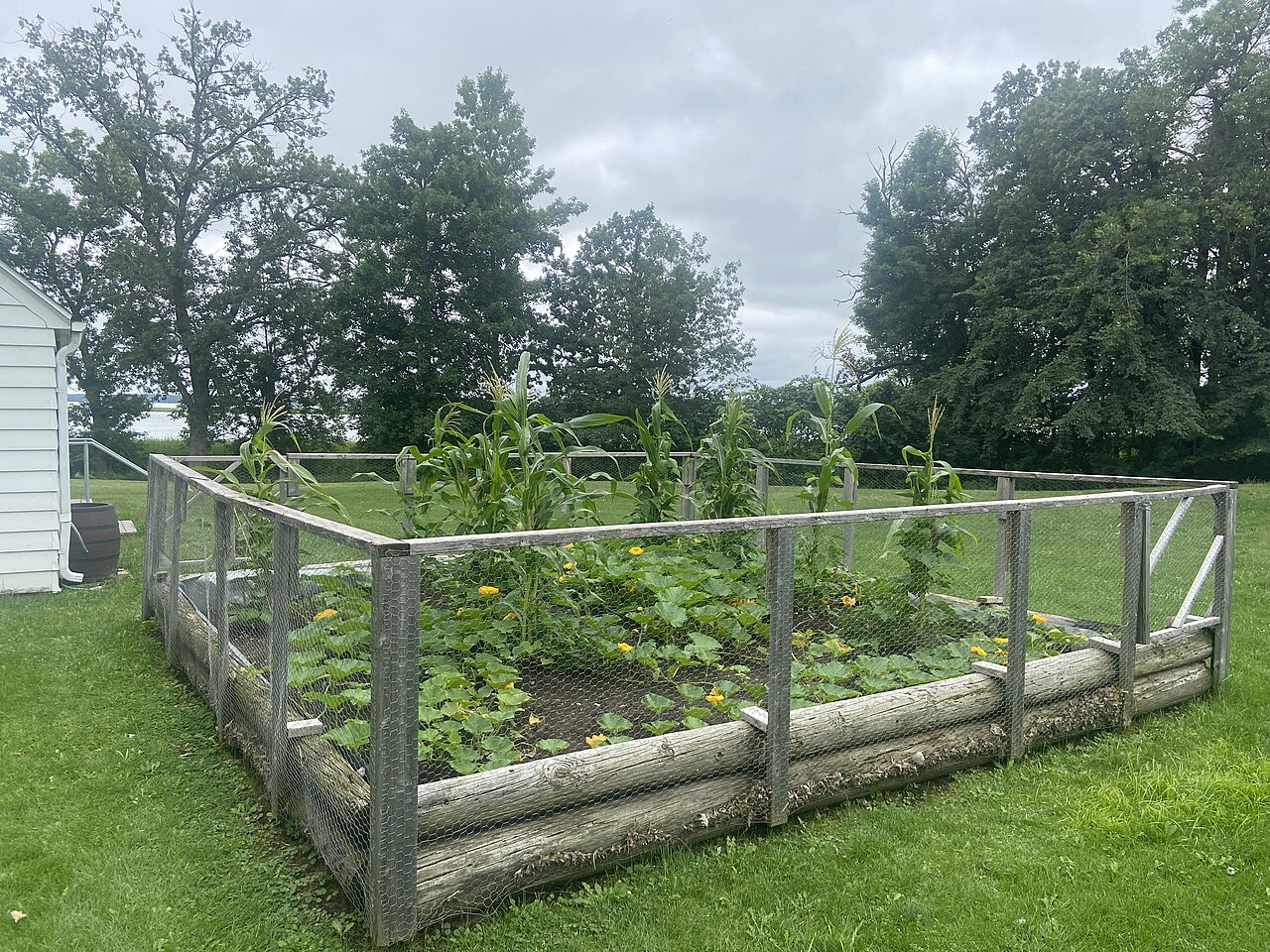
One of the best-known examples is the Three Sisters, a planting system developed by Indigenous peoples of North America. Corn, climbing beans and squash are grown together. The corn provides a structure for the beans to climb; beans are legumes, associated with nitrogen-fixing bacteria in their roots; and the broad squash leaves shade the soil, helping retain moisture and suppress weeds.
The system is a good illustration of complementary plants sharing space. Results in home gardens depend on choosing suitable varieties and spacing, and on planting the corn early enough for it to be tall enough to support the beans.
Attracting beneficial insects
This is one of the better-supported areas. Flowering plants such as sweet alyssum, phacelia, calendula, dill, fennel and coriander (cilantro) left to flower can provide nectar and pollen for hoverflies, parasitic wasps, lacewings and other insects whose larvae eat aphids and caterpillars. Research on flower strips in agriculture has often found increased numbers of these natural enemies, although the effect on crop damage varies.
In a home garden, mixing flowers among vegetables or along the edges is a low-risk way to support beneficial insects and pollinators.
Trap crops
Nasturtiums are often grown to attract aphids and caterpillars of cabbage white butterflies away from other crops. Some studies support the trap crop approach in specific situations, but it works best when the trap plants are placed thoughtfully and pests on them are dealt with. A trap crop can also become a source of pests if left unchecked.
Marigolds and pests
Marigolds are frequently recommended to repel pests. Certain marigolds, especially French marigolds (Tagetes patula), release compounds from their roots that can suppress some root-knot nematodes, particularly when grown densely as a cover crop for a season. Claims that a few marigolds will repel a wide range of above-ground pests are much less well supported.
Basil and tomatoes
Basil is often recommended alongside tomatoes for flavour and pest control. Some studies have reported small effects on certain pests, but results are mixed. The two plants do have similar needs for warmth, sun and regular watering, so growing them together is practical regardless.
Carrots and onions
Onions or other alliums are often planted with carrots to deter carrot fly by masking the scent of the carrots. Evidence is limited; some research suggests the effect only appears when onions greatly outnumber carrots. Physical barriers, such as fine mesh or low screens, are generally considered more reliable for carrot fly.
“Bad” companions
Many charts list plants that should not be grown together. Some advice has a sound basis, for example avoiding crowding plants that compete for the same light and water, or keeping related crops apart to reduce shared pests and diseases. Other claims, such as specific plants “disliking” each other, are often based on tradition rather than testing.
Black walnut trees are a well-documented case of a plant producing a compound (juglone) that harms some other plants, including tomatoes, near their roots.
Interplanting for space
Combining fast and slow crops is a practical form of companion planting. Radishes or lettuce sown between slower crops such as parsnips or brassicas can be harvested before the larger plants need the space. Tall crops can provide light shade for leafy greens that tend to bolt in summer heat.
Diversity in general
A garden with a mix of plants, rather than large blocks of a single crop, can make it harder for specialised pests to find their host plants and tends to support more beneficial insects. This general principle has more consistent support than many individual pairings.
A practical approach
- Treat companion charts as suggestions to test, not rules.
- Include flowering plants among and around vegetables.
- Use interplanting to make the most of space.
- Rotate crops from year to year to limit soil-borne problems.
- Use physical barriers where a specific pest is a serious problem.
- Keep notes on what you try and what you observe.
Keeping your own records
Because results depend on local pests, climate and varieties, a simple test can be informative. Grow the same crop with and without a suggested companion in two similar spots, and note pest damage and yield. Over a few seasons, these notes will tell you more about your garden than any general chart.
Summary
Companion planting is best understood through its mechanisms: support, shelter, beneficial insects, trap crops, nutrient effects and efficient use of space. Some pairings, such as the Three Sisters and flower strips for beneficial insects, have a sound basis. Many others are traditional and lightly tested. Experimenting in your own garden and recording the results is the most reliable way to find what helps.
Discover more from Gardening Stuff
Subscribe to get the latest posts sent to your email.