Raised beds have become a familiar sight in home gardens, but planting directly in the ground remains common and productive. Neither approach is better in every situation. This guide compares the two on cost, soil, drainage, maintenance and access, so you can decide which suits your garden, or whether a mix makes sense.
What counts as a raised bed?
A raised bed is a growing area where the soil level sits above the surrounding ground. Some are framed with wood, metal, stone or brick; others are simply mounded soil with sloping sides. Heights range from a few centimetres to waist-high beds designed for gardening while standing or seated.
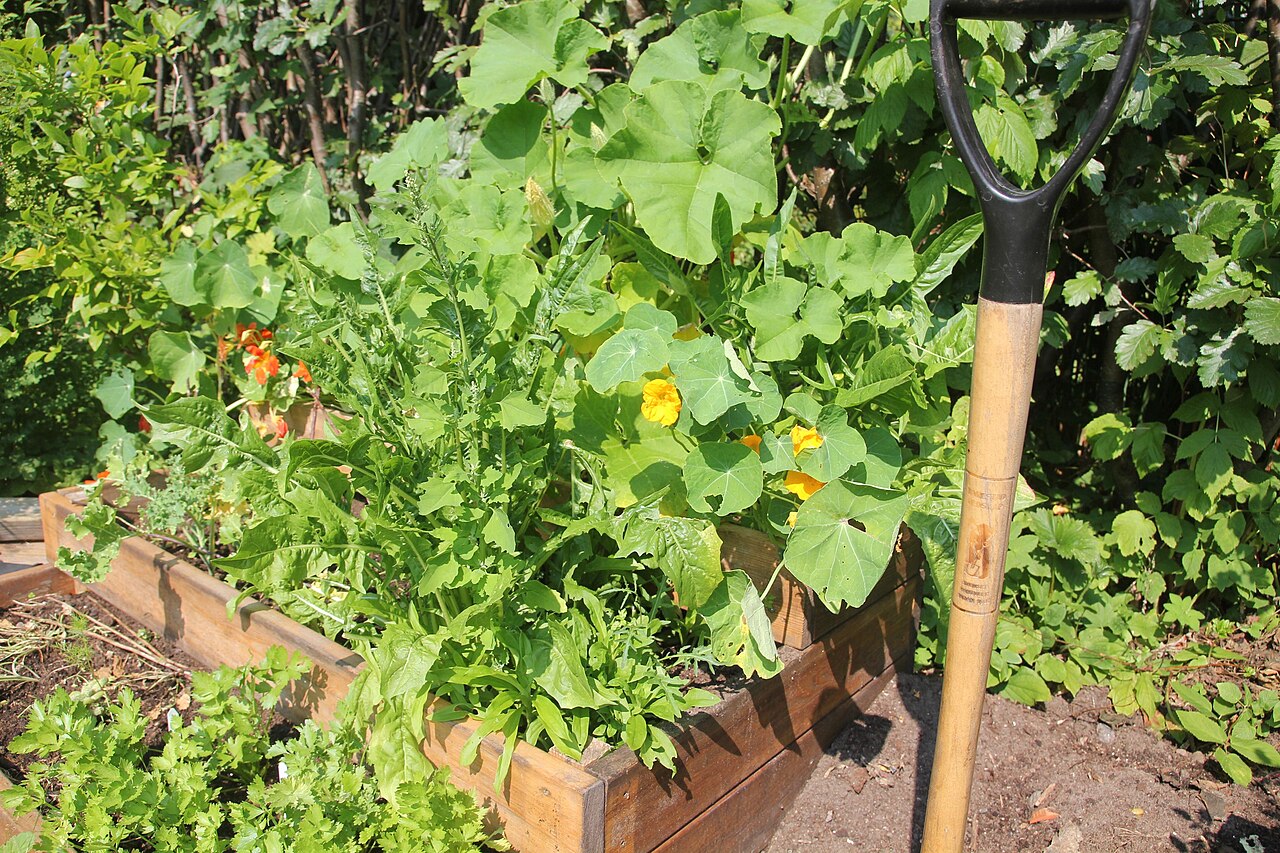

An in-ground garden uses the existing soil, usually improved with compost, and planted at ground level in rows or blocks.
Cost
In-ground gardens are generally cheaper to start. The main costs are compost, perhaps some tools, and your time. Raised beds involve materials for the frame and, often, a large volume of soil and compost to fill them. Filling a deep bed can cost more than the frame itself.
Costs can be reduced by building lower beds, using reclaimed materials, or filling the lower part of a deep bed with branches, leaves and other organic matter that breaks down over time.

Soil quality
This is often the deciding factor. If your native soil is very heavy clay, very stony, contaminated or extremely poor, a raised bed lets you start with good soil immediately. In urban areas, where soil may contain contaminants from past use, raised beds with a barrier underneath are sometimes recommended for growing food. A soil test can help you decide.
If your soil is reasonable, improving it with compost over a few seasons can produce excellent results in the ground without the expense of importing soil.
Drainage
Raised beds usually drain better than the surrounding ground, which helps in wet climates and on heavy soils where roots might otherwise sit in waterlogged conditions. The flip side is that they also dry out faster, particularly in hot, windy weather.
In-ground beds hold moisture longer, which can be an advantage in dry regions where water is limited.
Soil temperature
Soil in raised beds tends to warm up earlier in spring, which can allow slightly earlier sowing. It may also cool faster in autumn. In very hot climates, the extra warmth and faster drying can be a disadvantage, and some gardeners there use sunken beds instead.
Watering
Because raised beds drain and dry faster, they often need more frequent watering. Mulch and drip irrigation help. In-ground gardens generally need less frequent watering but may require more water per session if the area is larger.
Weeds and soil compaction
A framed bed helps define the growing area and can reduce grass creeping in from the edges. Because the bed is accessed from paths rather than walked on, the soil stays loose. The same benefit can be achieved in the ground by laying out permanent beds with paths between them and never stepping on the growing areas.
Weeds will still appear in raised beds, particularly from seeds carried by wind or in compost, but they are often easier to pull from loose soil.
Access and comfort
Taller raised beds reduce bending and kneeling, which makes them especially useful for gardeners with back problems, limited mobility, or who use wheelchairs. Beds can be designed at a height and width that allow work from a seated position.
In-ground gardens require more bending, though long-handled tools and kneeling pads help.
Space and layout
Raised beds suit small gardens, patios and spaces with poor or no soil, including areas over paving. They can look tidy and organised. In-ground gardens make it easier to grow sprawling crops such as squash, pumpkins and potatoes on a larger scale and are simpler to reshape from year to year.
Longevity and maintenance
Wooden frames eventually rot; how quickly depends on the wood type and climate. Untreated softwood may last only a few years, while naturally rot-resistant woods or thicker boards last longer. Metal, stone and brick last longer but cost more. If you are growing food, check what any wood treatment contains and whether it is considered suitable for vegetable beds.
Soil in raised beds settles and breaks down over time, so beds usually need topping up with compost each year. In-ground beds also benefit from annual compost, but there is no frame to repair.
Crops that suit each approach
Many crops do well either way. Raised beds are often favoured for root vegetables such as carrots and parsnips, which benefit from loose, stone-free soil, and for salad crops and herbs grown close to the house. In-ground beds suit large or spreading crops, perennial vegetables such as asparagus and rhubarb, and fruit bushes.
A quick comparison
- Lower start-up cost: in-ground
- Poor or contaminated soil: raised beds
- Wet climate or heavy clay: raised beds
- Dry climate with limited water: in-ground or sunken beds
- Reduced bending: raised beds
- Large, sprawling crops: in-ground
- Small or paved space: raised beds
Combining both
Many gardens use both: a couple of raised beds near the house for salads and herbs, and an in-ground area for potatoes, squash and other space-hungry crops. Starting with one approach and adding the other later is a practical way to learn what suits your site.
Visiting community gardens or allotments in your area is another way to see both approaches in local conditions before committing.
Summary
Raised beds offer better drainage, earlier warming, easier access and a way around poor soil, at the cost of more money and more frequent watering. In-ground gardens are cheaper, hold moisture better and suit larger crops. Your soil, climate, budget, and physical comfort are the main factors to weigh.
Discover more from Gardening Stuff
Subscribe to get the latest posts sent to your email.