Tomatoes are among the most popular crops for home gardens and containers. They need warmth, sun and steady care, but a few plants can produce a long harvest. This guide covers choosing varieties, raising or buying plants, planting, support, watering, feeding, and some common problems.
Choosing a variety
Tomato varieties are broadly divided by growth habit:
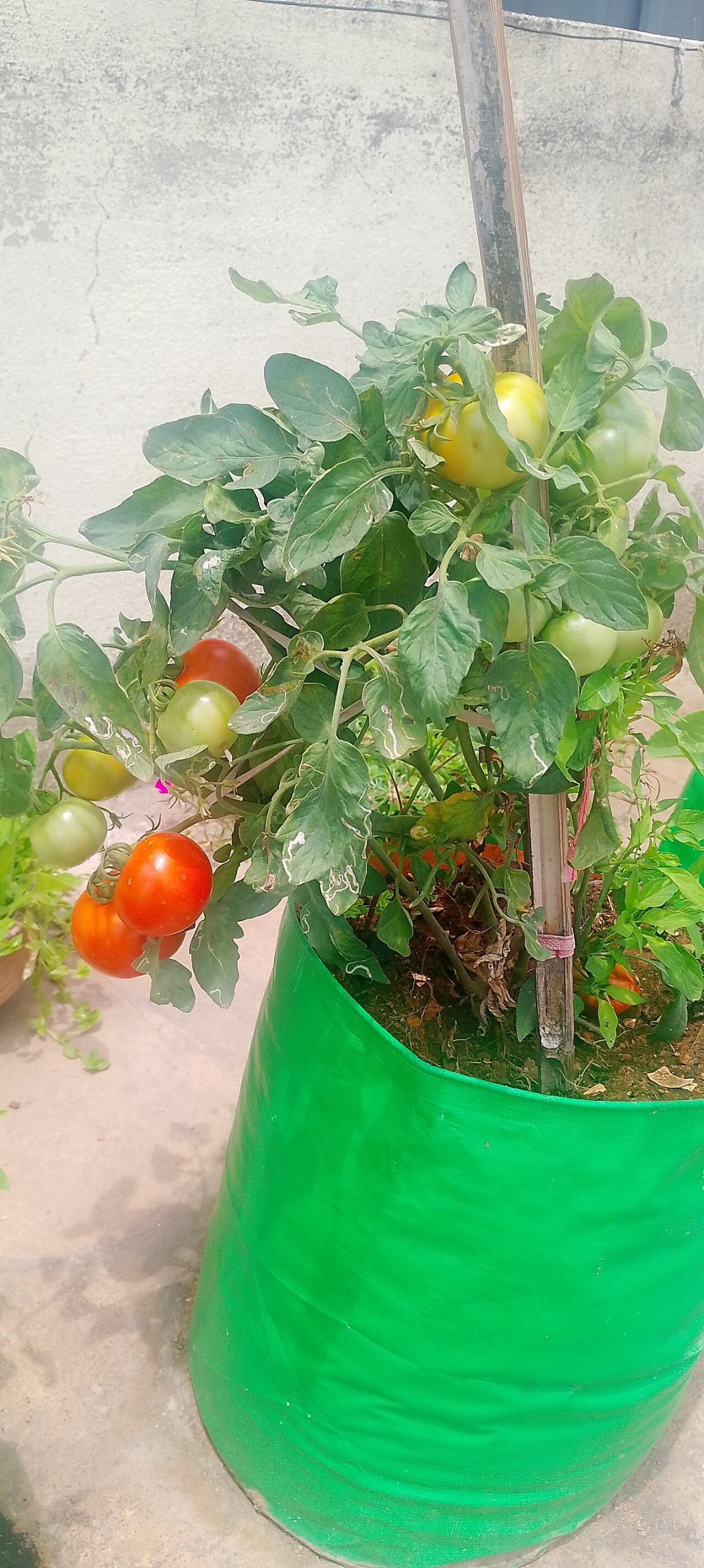

- Determinate (bush) types grow to a set size, ripen much of their fruit over a few weeks, and usually need little pruning. They suit containers and gardeners who want a concentrated harvest, for example for sauce.
- Indeterminate (vine or cordon) types keep growing and fruiting until cold weather stops them. They need tall supports and regular attention but produce over a longer period.
Fruit size also matters. Cherry tomatoes are generally the most forgiving and quickest to ripen. Large beefsteak types need a longer, warmer season. Seed catalogues and local nurseries usually indicate which varieties suit cooler or shorter summers.
Starting from seed or buying plants
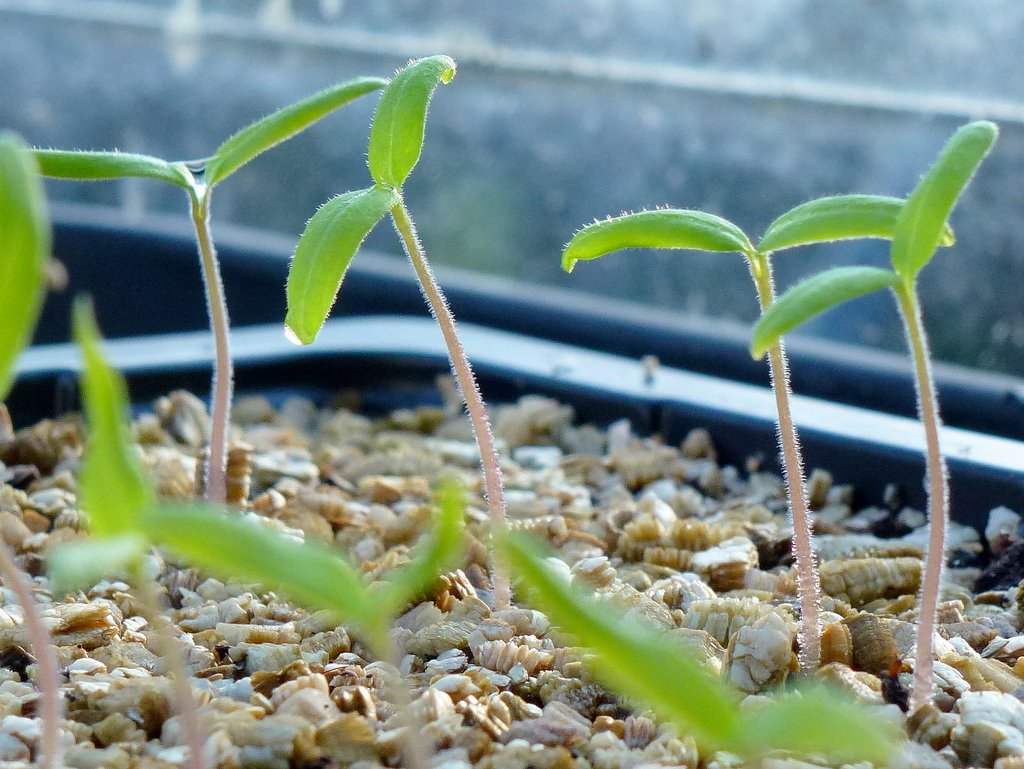
Tomato seeds are usually sown indoors around six to eight weeks before the last expected frost. They germinate best in warm conditions and need strong light once they emerge; seedlings grown on a dim windowsill often become tall and weak. Grow lights help if natural light is limited.
Buying young plants is simpler for a first season. Look for sturdy, dark green plants without flowers or fruit yet, and with no yellowing or spots on the leaves.

Hardening off
Plants raised indoors need to adjust gradually to outdoor conditions. Over about a week, put them outside for increasing periods each day, starting in a sheltered, partly shaded spot and bringing them in at night. This reduces shock from sun, wind and temperature changes.
Planting out
Tomatoes are frost-tender. Plant outside only after the last frost, when night temperatures stay reliably above about 10 °C (50 °F). Choose the sunniest spot available; six to eight hours of direct sun is a common recommendation.
Tomatoes can be planted deeper than they were growing in their pots, because they form roots along buried stems. Remove the lowest leaves and set the plant so that the soil comes up to the next set of leaves. Space plants according to the variety, often 45 to 60 cm (18 to 24 inches) apart, to allow air to circulate.
Support
Indeterminate tomatoes need sturdy stakes, cages or strings. Put supports in place at planting time to avoid damaging roots later. Tie stems loosely with soft twine as they grow. Determinate types may need a short cage or stake, particularly when laden with fruit.
Pruning side shoots
On indeterminate (cordon) varieties, many gardeners remove the side shoots that appear where leaves join the main stem. This keeps the plant to one or two main stems, improves air flow and directs energy to fruit. Determinate types are generally not pruned this way, as it reduces their crop. Approaches vary, and some gardeners let indeterminate plants grow more freely in a cage.
Watering
Consistent watering is important. Uneven watering, with dry spells followed by heavy soakings, is associated with split fruit and blossom end rot (a dark, sunken patch at the base of the fruit, linked to calcium uptake). Water deeply at the base of the plant rather than over the leaves, and mulch to keep soil moisture steady.
Plants in containers dry out quickly and may need water daily in hot weather. Large containers, at least 20 litres (5 gallons) for most varieties, are easier to keep evenly moist.
Feeding
Tomatoes benefit from fertile soil with plenty of organic matter. Once the first fruits begin to form, many gardeners use a fertiliser formulated for tomatoes or fruiting plants, following the product label. Too much nitrogen encourages leafy growth at the expense of fruit.
Pollination
Tomato flowers are usually self-pollinating, helped by wind or by insects such as bumblebees that vibrate the flowers. In very hot weather, flowers may drop without setting fruit; this usually resolves when temperatures ease.
Common problems
Some issues home growers often encounter:
- Blossom end rot: often linked to irregular watering; keep moisture consistent.
- Split fruit: often follows heavy watering or rain after a dry spell.
- Leaf spots and yellowing on lower leaves: can indicate fungal diseases; remove affected leaves, avoid wetting foliage, and improve air flow.
- Late blight: a serious disease in some regions during warm, wet weather; local extension services often issue alerts.
- Pests such as aphids, whiteflies and hornworms: check plants regularly and remove pests by hand where practical.
Choosing varieties listed as disease-resistant can reduce problems. Rotating where tomatoes are grown each year also helps limit soil-borne diseases.
Harvesting
Pick tomatoes when they are fully coloured and slightly soft to the touch. They can also be picked when they first start to change colour and ripened indoors at room temperature, which can reduce losses to splitting or pests. At the end of the season, green fruit can often be ripened indoors.
Storing
Ripe tomatoes keep their flavour best at room temperature and are usually eaten within a few days. Refrigeration can dull flavour and texture, though it is useful for fruit that is already very ripe.
Growing tomatoes in a greenhouse
In cool or short-season climates, a greenhouse or polytunnel extends the season and protects plants from rain, which can reduce some diseases. Greenhouse tomatoes need good ventilation on warm days, regular watering, and help with pollination, such as tapping the supports when flowers are open.
Summary
Choose a variety that suits your season and space, plant after frost in full sun, provide support, water consistently and feed once fruit sets. Regular checks for pests and disease, and good air flow around the plants, help keep them productive through the summer.
Discover more from Gardening Stuff
Subscribe to get the latest posts sent to your email.