Herbs are a good starting point for new gardeners. Many are compact, grow well in pots, and are used a little at a time, so even a few plants are useful in the kitchen. This guide covers six commonly grown herbs, what each needs, and general tips for growing herbs in beds or containers.
A note on two groups of herbs
Herbs fall roughly into two groups. Mediterranean herbs such as rosemary, thyme, sage and oregano come from warm, dry regions and prefer full sun, sharp drainage and relatively lean soil. Leafy herbs such as basil, parsley, mint and chives prefer richer, more consistently moist soil. Grouping herbs with similar needs, rather than mixing them all in one pot, makes care easier.
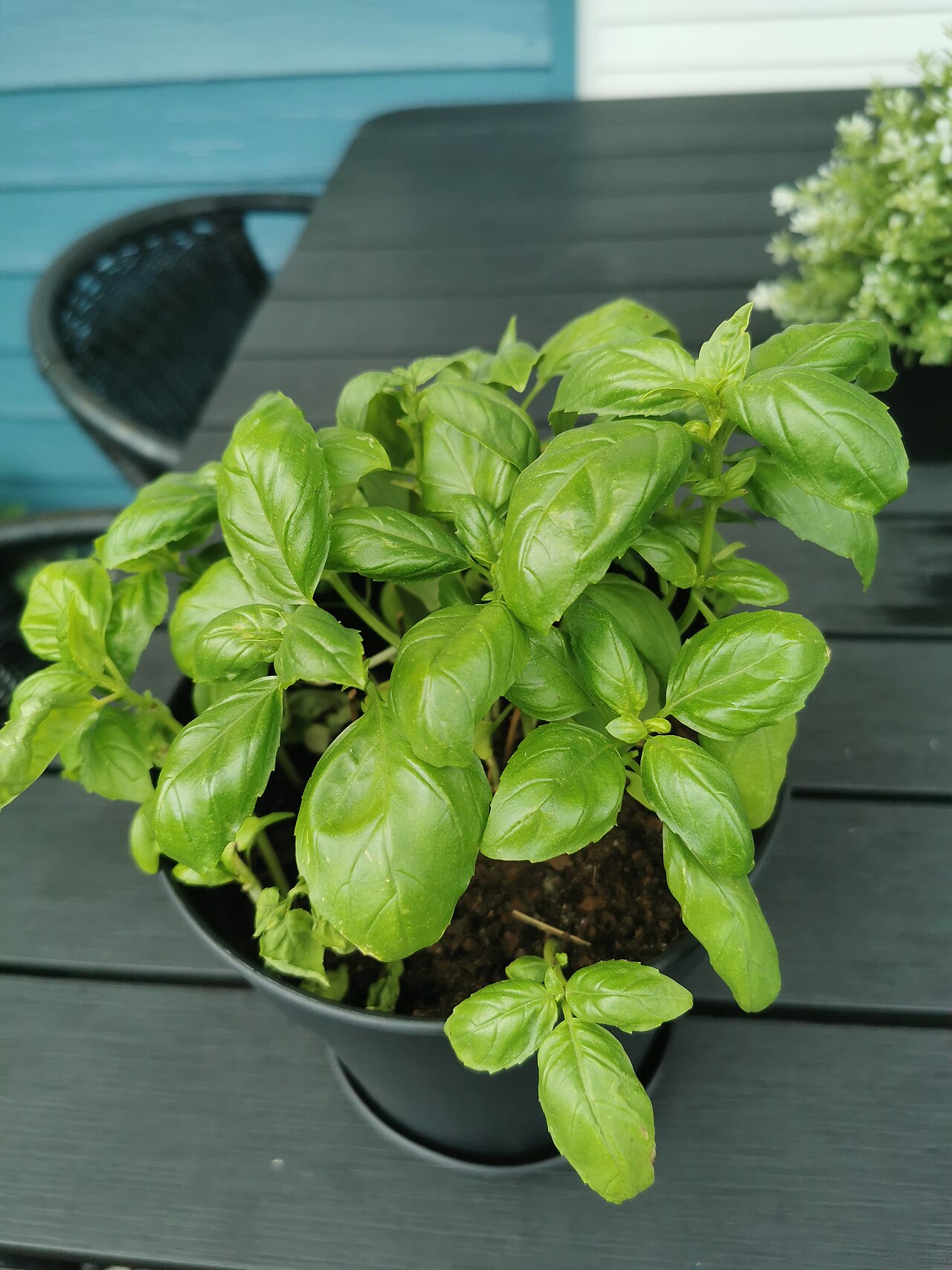

Basil
Basil is an annual that loves warmth. It is frost-tender and grows best when nights are warm, so plant it outside only after the last frost or keep it on a sunny windowsill. It needs regular watering but dislikes sitting in wet soil.
Pinch out the growing tips regularly, just above a pair of leaves, to encourage bushy growth. Removing flower buds keeps the plant producing leaves for longer. Many varieties exist, including sweet basil, Thai basil and lemon basil, each with a slightly different flavour.
Parsley
Parsley is a biennial usually grown as an annual or for two seasons. Both curly and flat-leaf types are common. It tolerates partial shade and cooler conditions better than basil. Seeds can be slow to germinate, so many people buy young plants.
Harvest the outer stems first, cutting near the base, and leave the inner growth to continue. In mild climates, parsley often keeps producing through autumn and into winter.
Chives
Chives are a hardy perennial in the onion family. They form clumps of thin, hollow leaves with a mild onion flavour and produce purple flowers that attract pollinators and are themselves used as a garnish. They grow in sun or light shade and return each year.
Cut leaves near the base. Every few years, dig up and divide large clumps to keep them vigorous.
Mint
Mint is very easy to grow, sometimes too easy. It spreads by underground runners and can take over a bed. Many gardeners grow it in a container, either on its own or sunk into the ground with the rim above soil level to limit spreading.
Mint tolerates partial shade and likes moist soil. Many types exist, including spearmint, peppermint and apple mint. Cut it back regularly to keep fresh growth coming.
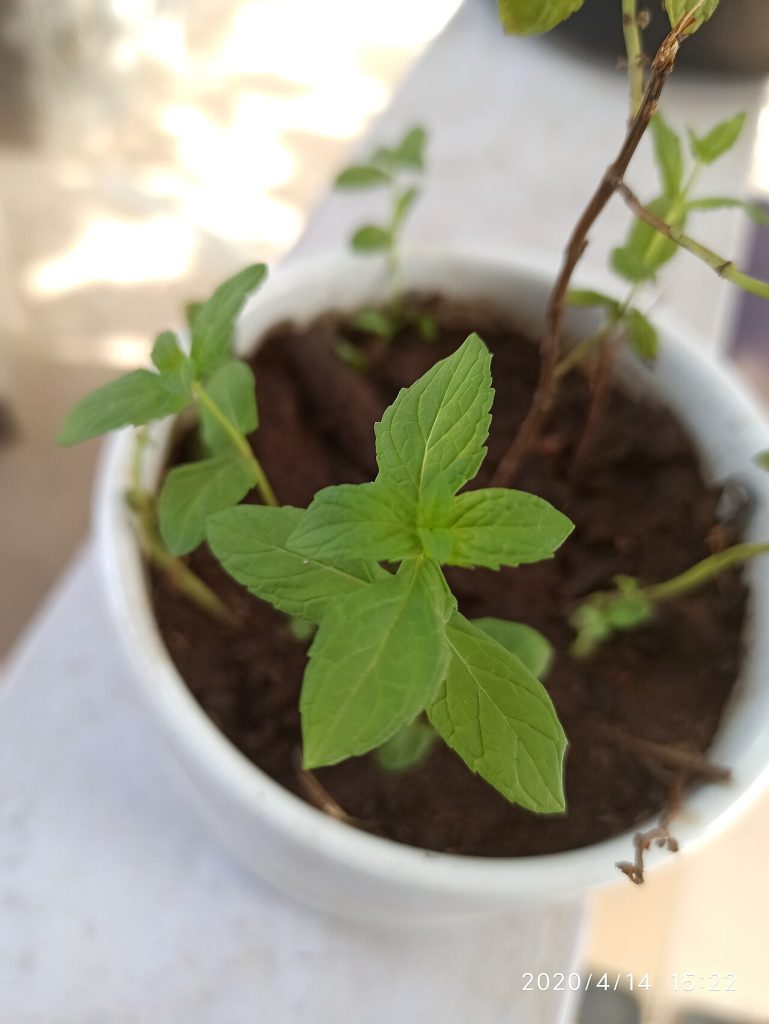

Thyme
Thyme is a low, woody perennial that thrives in sun and well-drained soil. It tolerates dry conditions once established and is more likely to suffer from wet winter soil than from drought. Plant it in gritty soil or a terracotta pot, and avoid overwatering.
Trim lightly after flowering to keep plants compact. Over several years thyme can become woody and may need replacing.
Rosemary
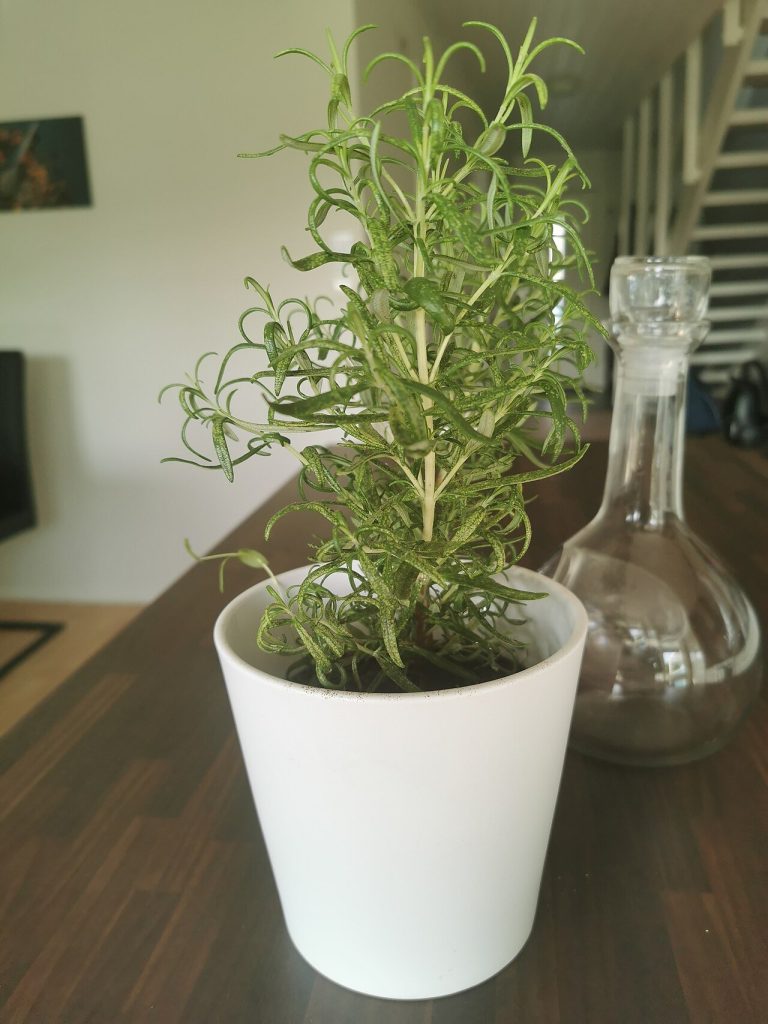
Rosemary is an evergreen shrub that needs sun and very good drainage. It is hardy in many mild regions but can be damaged by severe cold or by wet, heavy soil in winter. In colder areas, growing it in a pot that can be moved to a sheltered spot is common.
Harvest sprigs as needed and trim lightly after flowering, avoiding cutting into old, bare wood, which often does not regrow.

Growing herbs in containers
Containers suit most herbs and make it easy to keep them close to the kitchen. A few general points:
- Use pots with drainage holes and a free-draining potting mix.
- Add grit or perlite for Mediterranean herbs.
- Larger pots dry out less quickly than small ones.
- Water when the top of the potting mix feels dry, more often in hot weather.
- Feed leafy herbs lightly during the growing season, following the product label; Mediterranean herbs usually need little or no feeding.
Growing herbs indoors
Many herbs can grow on a bright windowsill, though most grow more slowly and less densely indoors than outside. A south- or west-facing window (in the Northern Hemisphere) usually provides the most light. Supermarket pots of herbs are often several seedlings crowded together; dividing them into a few pots can help them last longer.
Harvesting
Regular harvesting encourages most herbs to produce more leaves. Avoid removing more than about a third of a plant at once. Harvest in the morning, when leaves are full of moisture, for the best flavour.
Preserving herbs
Surplus herbs can be dried, frozen or used fresh in sauces. Woody herbs such as rosemary and thyme dry well. Leafy herbs such as basil and parsley often keep more flavour when frozen, for example chopped into ice cube trays with a little water or oil.
A note on safety
Some plants that look similar to culinary herbs are not edible. Only eat herbs you have identified with certainty, and check whether a herb is safe for pets if they share the space, as some common herbs are listed as toxic to cats or dogs by animal welfare organisations.
Herbs from cuttings
Several herbs, including mint, rosemary, sage and basil, can be propagated from cuttings. Take a non-flowering shoot, remove the lower leaves, and place it in water or moist potting mix until roots form. This is an inexpensive way to replace ageing plants or share herbs with friends.
Starting with two or three herbs you already cook with, then adding more as you gain confidence, is a sensible approach.
Summary
Basil, parsley, chives, mint, thyme and rosemary are reliable choices for beginners. Group herbs with similar needs, give the Mediterranean types sun and sharp drainage, keep the leafy types more evenly moist, and harvest regularly. A few pots near the kitchen door can supply fresh herbs for much of the year.
Discover more from Gardening Stuff
Subscribe to get the latest posts sent to your email.