Daffodils, tulips, crocuses and many other spring flowers grow from bulbs planted the previous autumn. A few hours of planting in autumn can provide colour from late winter through spring. This guide covers timing, depth, spacing, soil, containers and keeping squirrels and other animals away.
Why autumn?
Most spring-flowering bulbs need a period of cold to trigger flowering, and they use autumn and winter to grow roots. Planting in autumn gives them time to establish before the ground freezes or the weather turns very cold, so they are ready to grow as soon as conditions warm.
When to plant
A common guideline is to plant when soil has cooled, often several weeks before the ground freezes. In many temperate areas this falls in mid to late autumn. Some bulbs prefer earlier planting:
- Daffodils (Narcissus) benefit from planting in early to mid autumn, as they start growing roots early.
- Crocuses, snowdrops, grape hyacinths (Muscari) and other small bulbs can go in early to mid autumn.
- Tulips are often planted later, in mid to late autumn, when soil is cooler. Later planting is sometimes suggested to reduce the risk of the fungal disease tulip fire.
In warm climates where winters are mild, some bulbs, especially tulips, may need chilling in a refrigerator before planting. Local nurseries and extension services can advise on timing in your region.
Choosing bulbs
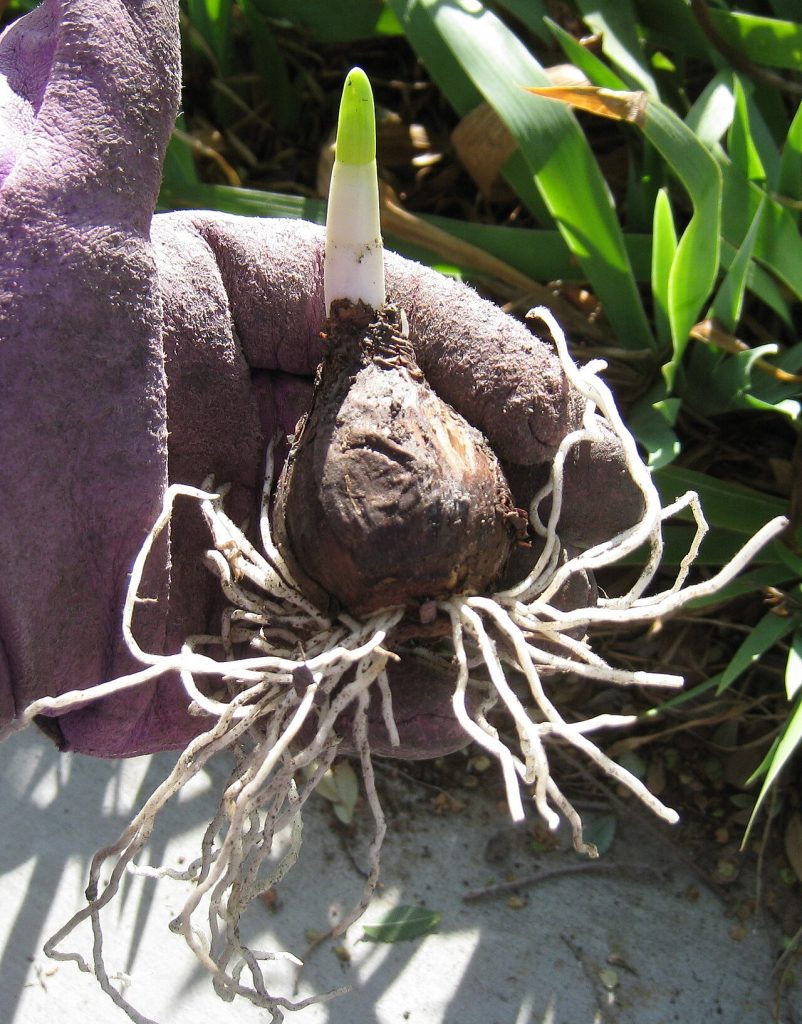
Good bulbs are firm and heavy for their size, with no soft spots, mould or damage. Larger bulbs of a given variety usually produce bigger or more flowers. Buy from a source that labels varieties clearly, and plant soon after buying, storing bulbs somewhere cool, dry and dark until then.

Soil and site
Most spring bulbs need good drainage; they can rot in waterlogged soil. Heavy clay can be improved with compost or grit, or bulbs can be planted in raised beds or containers. Many prefer full sun or light shade while in leaf. Areas under deciduous trees often work well, as bulbs flower and grow before the trees leaf out.
How deep to plant
A widely used rule of thumb is to plant bulbs at a depth of two to three times their height. For example:
- Small bulbs such as crocuses and snowdrops: around 8 to 10 cm (3 to 4 inches)
- Tulips: around 15 to 20 cm (6 to 8 inches)
- Daffodils: around 15 cm (6 inches) or a little deeper
Plant with the pointed end up. If you cannot tell which end is up, planting on the side usually works, as the shoot will find its way upward. Deeper planting in light soils can help tulips come back more reliably in later years.
Spacing and arrangement
Bulbs generally look more natural in groups or drifts than in single rows. A spacing of about two bulb widths apart is often suggested for a full display. For an informal look in grass, some gardeners scatter bulbs gently and plant them where they land.
Planting in layers
In containers or small spaces, a “bulb lasagne” approach layers different bulbs at different depths in the same pot: large, late-flowering bulbs such as tulips at the bottom, mid-season bulbs such as daffodils above, and small early bulbs such as crocuses near the top. This can extend the flowering period in one container.
Bulbs in containers
Use pots with drainage holes and a free-draining potting mix. Bulbs can be planted closer together in pots than in the ground. Containers are more exposed to cold than garden soil, so in very cold areas pots may need to be moved to a sheltered spot or insulated. Water after planting and check occasionally over winter so that the mix does not dry out completely.
Naturalising in grass
Daffodils, crocuses, snowdrops and other small bulbs can naturalise in lawns, spreading over the years. If you plant in grass, avoid mowing until the foliage has started to yellow, typically about six weeks after flowering, so the bulbs can store energy for the next year.


Protecting bulbs from animals
Squirrels, mice and voles may dig up or eat bulbs, especially tulips and crocuses. Common deterrents include:
- Laying wire mesh or chicken wire over the planting area just under the soil surface
- Planting in mesh baskets or cages
- Clearing away papery bulb skins and debris that can attract animals
- Choosing bulbs animals tend to avoid, such as daffodils, alliums and snowdrops
Daffodils contain compounds that make them unpalatable and toxic to many animals.
A safety note
Many bulbs, including daffodils, tulips and hyacinths, are toxic if eaten by people or pets. Keep stored bulbs out of reach of children and animals, label them clearly, and wash hands after handling, as some can irritate the skin.
After flowering
Remove faded flowers to stop plants putting energy into seeds, but leave the leaves to die back naturally. The leaves feed the bulb for next year’s flowers. Many tulip varieties decline after the first year and are often treated as annuals, while daffodils and many small bulbs return reliably for years.
Planting late
If you find a bag of bulbs after the recommended time, planting them late is usually better than storing them until next year. They may flower later or less strongly in the first spring, but most will establish as long as the ground can still be dug.
Summary
Plant spring bulbs in autumn once the soil cools, at about two to three times their height deep, with good drainage and in groups for impact. Protect them from animals where needed, let the foliage die back after flowering, and choose reliable perennial types if you want a display that returns year after year.
Discover more from Gardening Stuff
Subscribe to get the latest posts sent to your email.