Bees, butterflies, moths, hoverflies, beetles and other insects pollinate many flowering plants, including many food crops. Gardens of all sizes can provide food and shelter for them. This guide covers plant choice, flowering through the seasons, water, shelter, and garden practices that support pollinators.
Who are the pollinators?
Honeybees are the best-known pollinators, but they are only one species. Many regions have hundreds of species of wild bees, including bumblebees and solitary bees, along with butterflies, moths, hoverflies, beetles, wasps and, in some areas, birds and bats. Different pollinators visit different flowers, so variety in planting supports a wider range of species.

Choose a range of flowers
A pollinator garden benefits from flowers of different shapes, sizes and colours:
- Open, flat flowers such as daisies and asters, easy for many insects to reach
- Tubular flowers such as foxgloves and salvias, often visited by long-tongued bees and, in the Americas, hummingbirds
- Clustered flower heads such as yarrow and fennel, popular with hoverflies and small bees
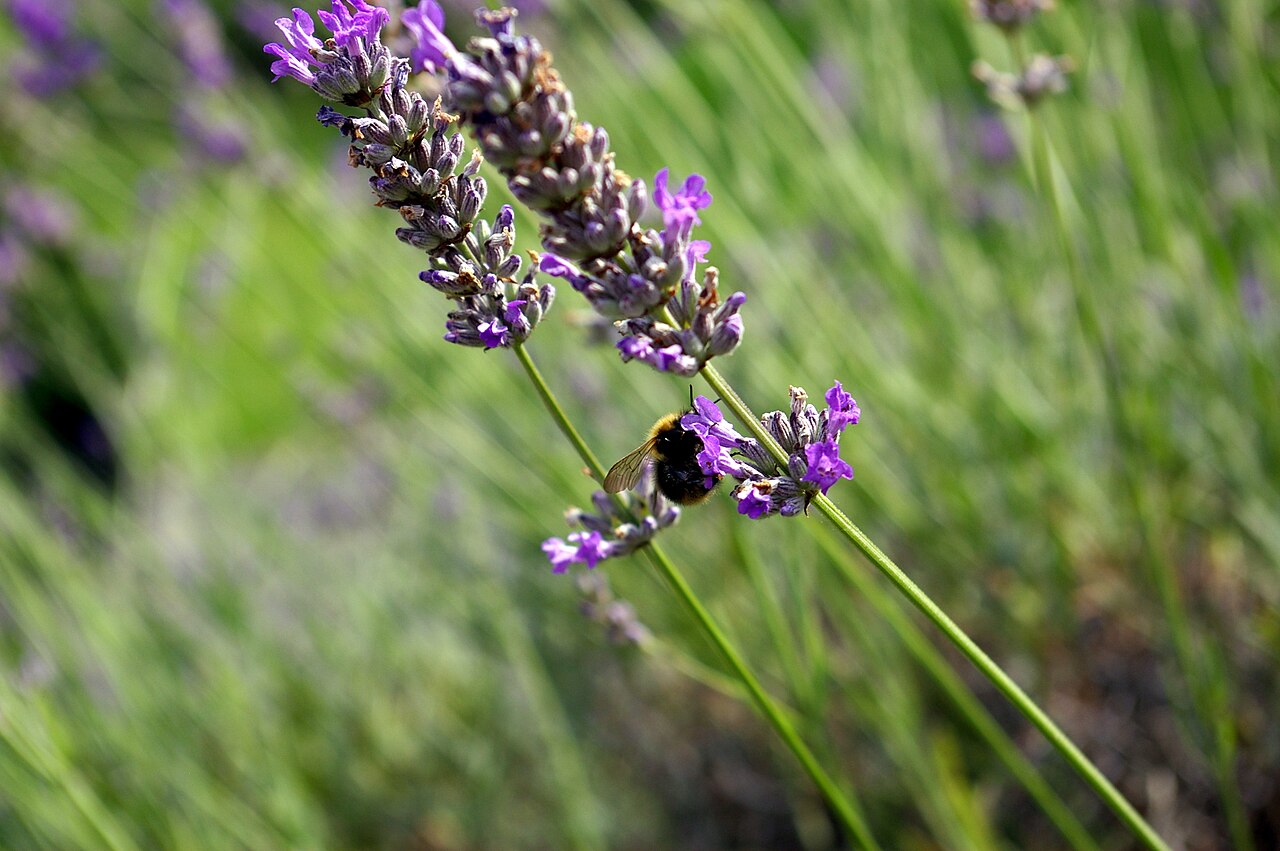
- Herbs allowed to flower, such as thyme, oregano, chives and lavender
Highly bred double flowers, with extra rows of petals, can make nectar and pollen harder to reach. Single-flowered varieties are generally more useful.

Consider native plants
Native plants have evolved alongside local insects and are often especially valuable. Some native bees and butterfly caterpillars depend on particular native plants. Many regions have native plant societies or extension services that publish lists of locally native species suited to gardens.
A mix of native and well-chosen non-native plants can still support a wide range of pollinators. Avoid plants listed as invasive in your area.
Plan for flowers across the seasons
Pollinators need food from early spring to late autumn. Gaps in flowering can be hard on insects that emerge early or are active late. Aim for something in flower in each season:
- Early spring: crocuses, willow, fruit tree blossom, early native wildflowers
- Late spring and early summer: alliums, comfrey, foxgloves, clover
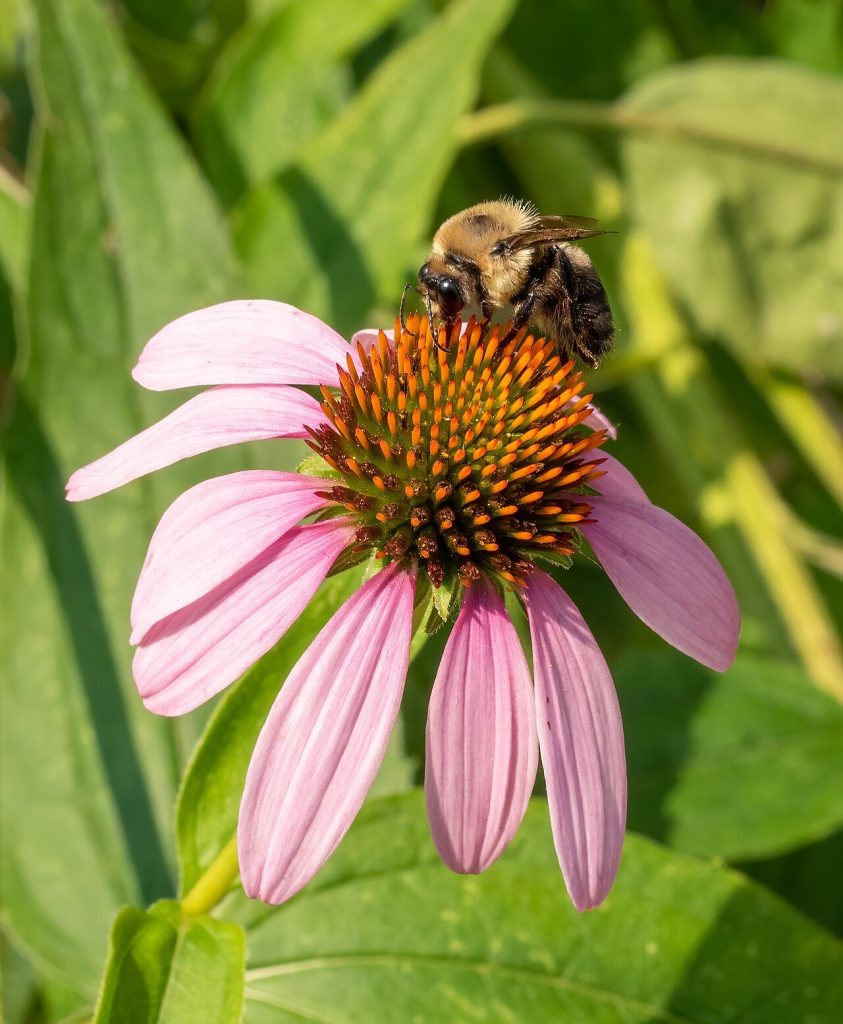
- Midsummer: lavender, catmint, echinacea, sunflowers
- Late summer and autumn: asters, goldenrod, sedum, ivy flowers
Grouping several plants of the same type together makes them easier for pollinators to find and visit efficiently.
Sun and shelter
Most flowering plants and many pollinators favour sunny spots. Shelter from strong wind helps insects forage. Hedges, shrubs and tall perennials can create calmer areas.
Provide water
Pollinators need water, especially in hot weather. A shallow dish with stones or marbles gives insects somewhere to land and drink without drowning. Refresh it regularly. A small pond, if space allows, supports a wide range of wildlife.
Nesting and overwintering sites
Food is only part of what pollinators need. Many solitary bees nest in bare soil, so leaving small patches unmulched in sunny spots can help. Others nest in hollow stems or holes in wood. Leaving some plant stems standing over winter, keeping a log pile, and allowing a corner of the garden to stay a little untidy can provide shelter.
Bee hotels can help cavity-nesting bees, but they need to be placed in sun, kept clean, and have tubes that can be replaced to reduce disease and parasites.
Food plants for caterpillars
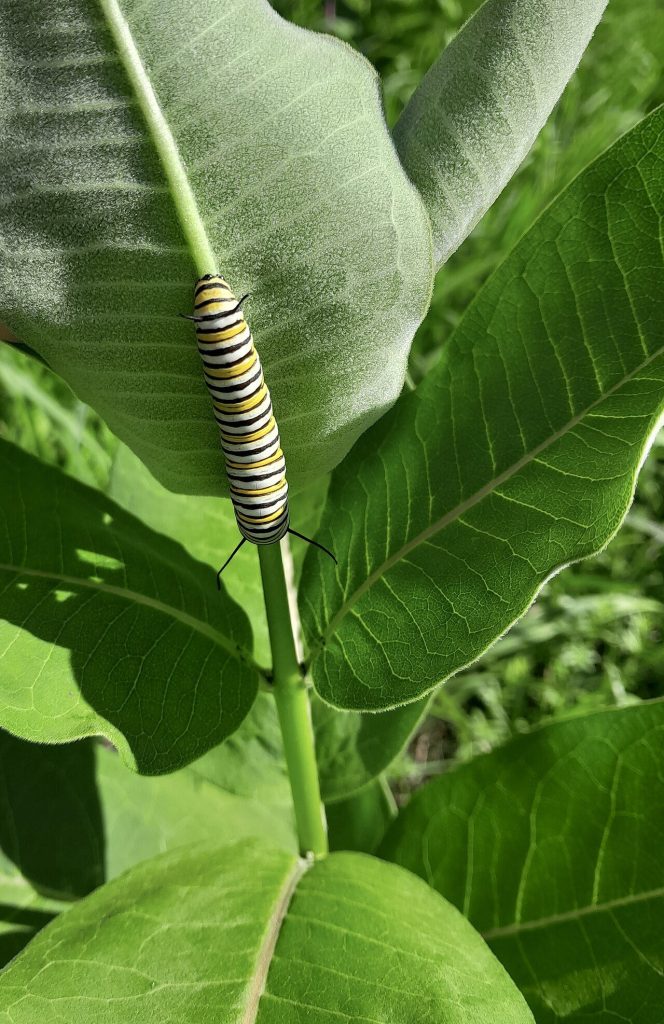
Butterflies and moths need plants for their caterpillars as well as nectar for adults. Many caterpillars feed on specific plants, such as milkweed for monarchs in North America or nettles for several European species. Including some caterpillar food plants, and tolerating some chewed leaves, supports their full life cycle.

Reduce pesticide use
Insecticides can harm pollinators, including some products used on garden plants. Reducing or avoiding pesticide use, especially on plants in flower, is one of the most important steps for a pollinator-friendly garden. Where a product is used, follow the label carefully. Encouraging natural predators and using physical controls are alternatives covered in our guide to garden pests.
Lawns
Allowing parts of a lawn to grow longer, or mowing less often, lets flowers such as clover, dandelions and self-heal bloom. Some gardeners convert part of a lawn into a meadow area, though establishing a meadow takes time and suitable conditions.
Small spaces
Even a balcony or windowbox can help. Containers of lavender, thyme, marjoram, salvias or compact native flowers can provide food in urban areas where flowers may be scarce.
Watch and record
Spending a few minutes watching which insects visit which flowers is both enjoyable and informative. Some community science projects collect records of pollinator sightings, which contribute to research on pollinator populations.
A simple starter plan
If you are starting from scratch, a small bed of about two square metres can make a good pollinator patch. Choose five to seven types of plant with different flower shapes and flowering times, and plant three or more of each in groups. Include at least one early-flowering plant, one or two midsummer plants and one late-flowering plant. Add a shallow water dish nearby, leave a small patch of bare, sunny soil at the edge, and let the stems stand over winter. Over the following seasons, note which plants are busiest and add more of those.
Avoiding common mistakes
Some well-meant choices are less helpful than they appear. Wildflower seed mixes sold for gardens sometimes contain non-native or annual species that do not return, so check the contents. Planting a single specimen of many different plants can look scattered and is less efficient for foraging insects than generous groups. Finally, bought plants may have been treated with insecticides at the nursery; some suppliers label pollinator-friendly or untreated plants, and asking is reasonable.
Summary
A pollinator garden offers a variety of single, accessible flowers from spring to autumn, includes native plants where possible, and provides water, nesting places and shelter. Reducing pesticide use and tolerating a little untidiness make a garden more welcoming to pollinators, whatever its size.
Discover more from Gardening Stuff
Subscribe to get the latest posts sent to your email.