Garden centres sort flowering plants into annuals and perennials, and the difference affects cost, maintenance and how a garden changes over the years. This guide explains the terms, compares the two, and suggests ways to combine them.
Definitions
An annual completes its life cycle, from seed to flower to seed, within one growing season and then dies. Examples include cosmos, zinnias, marigolds, sunflowers and sweet peas.
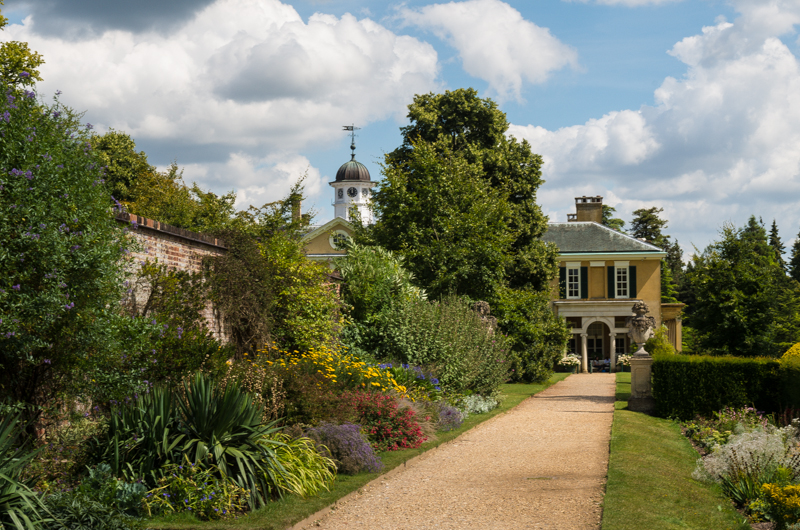

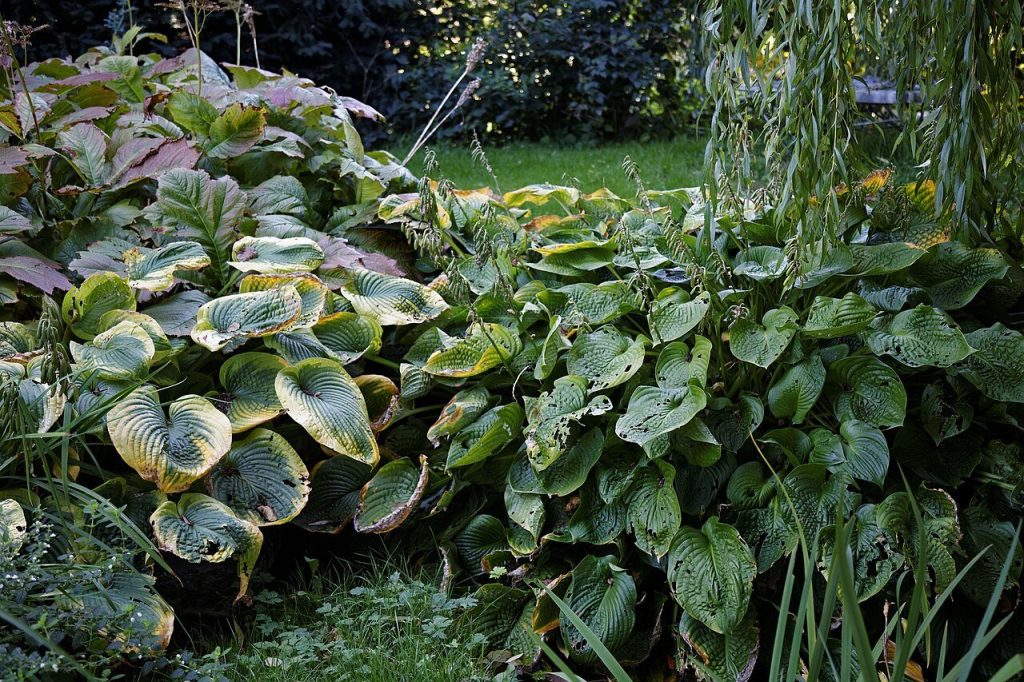
A perennial lives for more than two years. Herbaceous perennials, such as peonies, hostas, echinacea and hardy geraniums, usually die back to the ground in winter and regrow from their roots in spring. Woody perennials include shrubs and trees.
A biennial grows leaves in its first year, flowers in its second, and then dies. Foxgloves, sweet williams and hollyhocks are often grown as biennials.
“Annual” depends on climate
Some plants sold as annuals are actually perennials in warmer climates. Pelargoniums (often called geraniums), many salvias and some begonias are perennial where winters are mild but are treated as annuals where they would be killed by frost. Labels such as “tender perennial” or “grown as an annual” signal this. Your hardiness zone and local frost conditions decide which category a plant falls into in your garden.
Flowering
Annuals are known for long flowering seasons. Because their aim is to produce seed within one year, many flower continuously from early summer until frost, especially if faded flowers are removed.
Perennials often have a shorter flowering period, from a couple of weeks to a couple of months, though some flower for longer. A perennial border is usually planned so that different plants flower in succession through the season.
Cost over time
Annuals need to be bought or grown from seed every year. Growing from seed is inexpensive, but buying many young plants each spring adds up.
Perennials usually cost more per plant at first, but they return for years. Many can be divided every few years, providing extra plants for free. Over several seasons, perennials are often the more economical choice for permanent planting.
Time and effort
Annuals need replanting each year, which involves sowing or buying, planting out, and clearing at the end of the season. Perennials need less replanting but have their own tasks: cutting back, dividing crowded clumps, staking taller types, and occasionally replacing plants that decline.
In a well-established perennial border, yearly work is often lighter than a fully annual display.
Establishment
Perennials can take a season or more to fill out. A common saying about some perennials is that in the first year they “sleep”, in the second they “creep”, and in the third they “leap”. Annuals, in contrast, reach full size within a few months, which makes them useful for quick results.
Flexibility
Annuals allow you to change colour schemes and planting each year. They are useful in containers, windowboxes, new gardens, and rented homes where you might move. Perennials create a more permanent structure and a garden that develops over time.
Wildlife value
Both can support pollinators. Many traditional cottage-garden annuals, such as cosmos and calendula, are well visited. Perennials, especially native ones, often provide food year after year and, if stems are left standing over winter, shelter for insects. Varieties with single flowers are generally more accessible to pollinators than double-flowered forms.
Combining annuals and perennials
Many gardens use both:
- Perennials and shrubs form the long-term framework of a border.
- Annuals fill gaps while young perennials establish.
- Annuals provide long-lasting colour in containers and near entrances.
- Self-seeding annuals, such as calendula, nigella and poppies, can return each year without replanting, though they may move around the garden.
This combination offers both structure and flexibility.
Choosing for your situation
Some general guidelines:
- New garden, quick results wanted: start with annuals and add perennials gradually.
- Long-term home, low yearly effort wanted: invest in perennials and shrubs.
- Containers and small spaces: annuals or compact perennials.
- Rented home: annuals and potted perennials that can move with you.
- Limited budget: annuals from seed, plus perennials that can be divided or swapped with friends.
Looking after perennials
Most herbaceous perennials benefit from:
- Cutting back dead growth in late winter or early spring (or in autumn, though leaving stems can help wildlife).
- A layer of compost or mulch in spring.
- Dividing large or crowded clumps every three to five years.
- Staking tall plants before they flop.
- Watering during the first season while roots establish.

Looking after annuals
Annuals generally need:
- Regular watering, especially in containers.
- Deadheading (removing faded flowers) to extend flowering.
- Feeding in containers during the growing season, following the product label.
- Clearing at the end of the season, with healthy material added to the compost.
Common examples for beginners
Some reliable perennials for many temperate gardens include hardy geraniums, catmint, echinacea, rudbeckia, sedum, daylilies and lady’s mantle. Easy annuals from seed include cosmos, sunflowers, nasturtiums, calendula and zinnias. Check that any perennial is suited to your hardiness zone and soil before buying, and favour varieties described as reliable or long-lived.
Buying tips
When buying perennials, smaller pots are often a better deal than large ones; they establish quickly and usually catch up within a season or two. For annuals, look for compact, bushy young plants that are not yet in full flower, as they tend to settle in more easily after planting.
Garden visits, plant swaps and local gardening clubs are also good places to see mature perennials and ask growers which annuals perform best locally.
Summary
Annuals offer fast, long-lasting colour and flexibility but need replanting every year. Perennials cost more at first and take time to establish, but they return for years and form a garden’s lasting structure. Most gardens benefit from a mix, adjusted to your climate, budget, time and how long you expect to stay.
Discover more from Gardening Stuff
Subscribe to get the latest posts sent to your email.