Starting a vegetable garden is less about expensive equipment and more about a handful of early decisions: where the garden goes, how big it is, what goes in first, and how much time you can realistically give it each week. This guide walks through those decisions in order and finishes with a simple first-season timeline. Local conditions vary a great deal, so treat it as a framework to adapt rather than a fixed recipe.
Choose the right spot
Most vegetables need plenty of direct sun. Fruiting crops such as tomatoes, peppers, squash and beans generally do best with six to eight hours of direct sunlight a day, while leafy greens and many herbs tolerate a little less. Before digging anything, spend a day noting when sun reaches different parts of the garden and when buildings, fences or trees shade them.
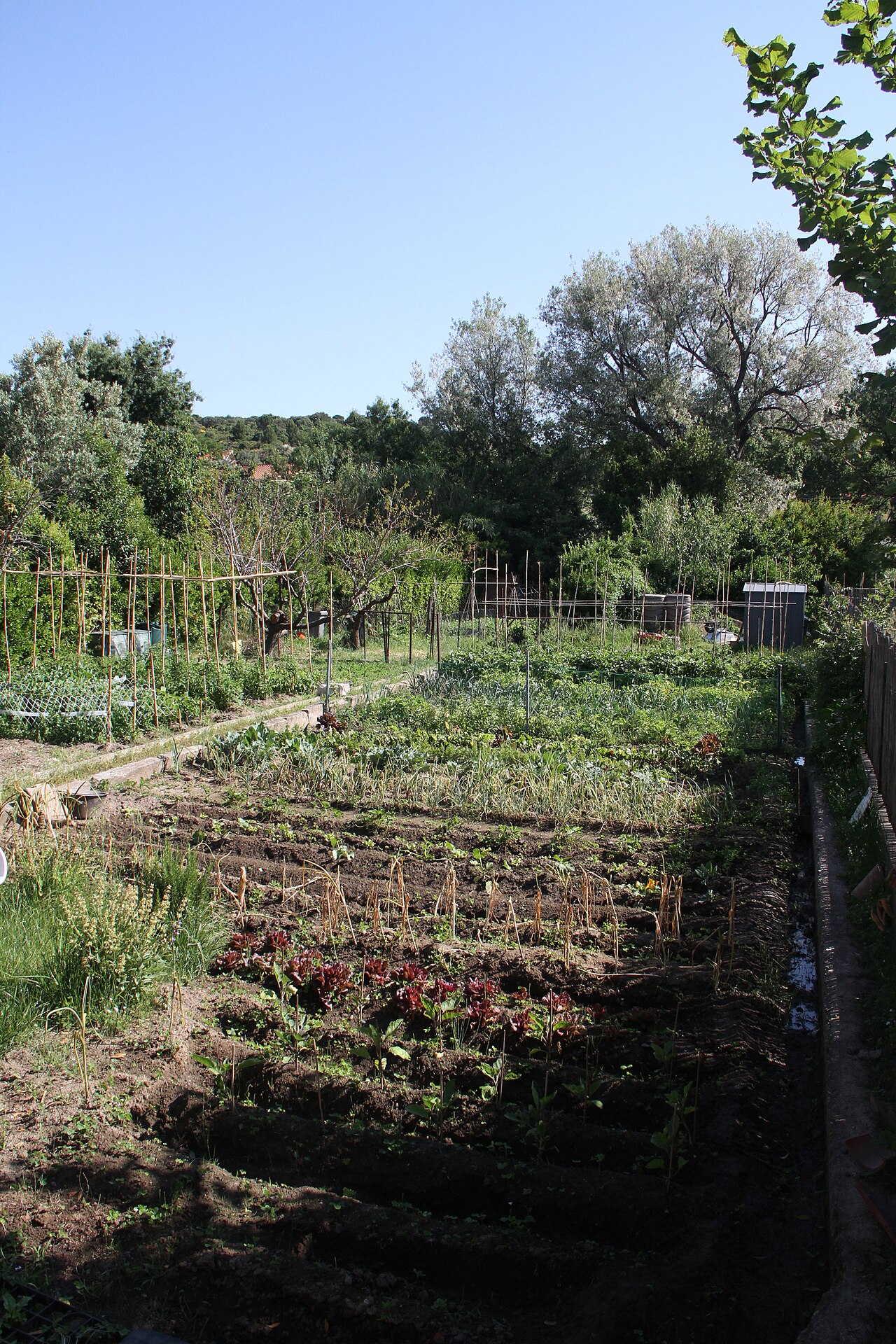

Sun is not the only factor. A good site also has:
- Reasonable drainage, so water does not sit in puddles for days after rain
- Easy access to water, since carrying cans a long way quickly becomes a chore
- Shelter from strong wind where possible
- Distance from large trees, whose roots compete for water and nutrients
- A position you walk past often, which makes it easier to notice problems early
Start smaller than you think
A common mistake is starting too big. A small, well-tended plot usually produces more than a large neglected one. Many beginners find that one or two beds of roughly 1.2 by 2.4 metres (4 by 8 feet), or an equivalent patch of ground, is plenty for a first year. Beds about 1.2 metres wide can be reached from both sides without stepping on the soil, which keeps it loose.
If you have the space, it is easy to expand next year once you know how much time watering, weeding and harvesting actually take.
Check and prepare the soil
Healthy soil is the foundation of the garden. Dig a test hole and look at what you find. Crumbly, dark soil that drains well is ideal; heavy clay that stays sticky or sandy soil that dries out within hours will both benefit from added organic matter such as compost or well-rotted manure.
Many local extension services and garden organisations offer inexpensive soil tests that report pH and major nutrients. A test is not essential for a first season, but it can explain problems that would otherwise be puzzling and prevents adding fertilisers that are not needed.
To prepare a new bed, clear grass and weeds, loosen the top layer of soil with a fork, and spread several centimetres of compost over the surface. Some gardeners prefer a no-dig approach, laying cardboard over grass and piling compost on top; this takes longer to establish but disturbs soil life less.
Pick forgiving first crops
Some vegetables are more forgiving than others. Good choices for a first garden include:
- Lettuce and other salad leaves, which grow quickly and can be sown several times
- Radishes, often ready in a month
- Bush beans, which need no support and produce over several weeks
- Courgettes (zucchini), which are famously productive
- Tomatoes, especially cherry types, which tend to be more reliable than large varieties
- Herbs such as parsley, chives and basil
Grow what you actually like to eat. A small row of something you use every day is more rewarding than a large crop of something that ends up in the compost.
Learn your frost dates
In temperate climates, timing revolves around the last expected spring frost and the first expected autumn frost. Frost-tender crops such as tomatoes, beans, squash and basil should not be planted outside until the risk of frost has passed and the soil has warmed. Hardier crops such as peas, spinach and lettuce can go in earlier.
Average frost dates are available from national weather services, extension services and many gardening organisations. They are averages, not guarantees, so watch the forecast and keep a sheet of fleece or an old blanket handy for unexpected cold nights.
Seeds or young plants?
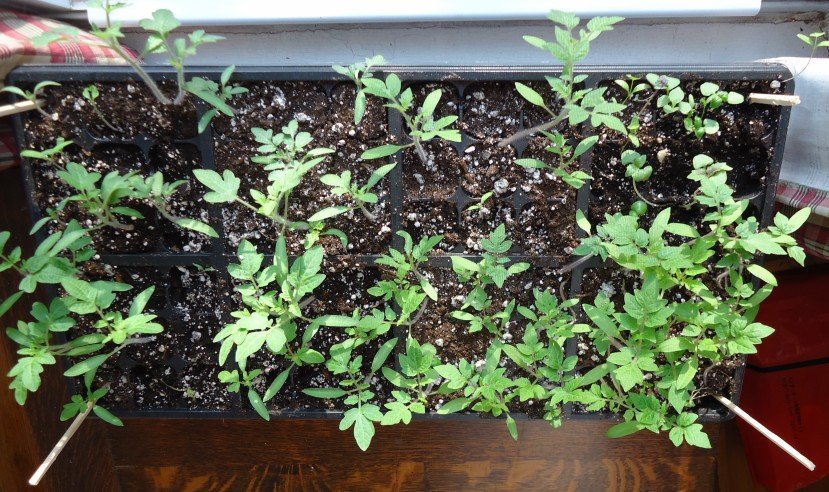
Seeds are cheaper and offer far more variety, and many crops, including beans, peas, radishes, carrots and salad leaves, are easiest sown directly where they will grow. Other crops, such as tomatoes and peppers, need a long warm season and are usually started indoors weeks before the last frost or bought as young plants.
For a first season, mixing both is sensible: buy a few young tomato and pepper plants, and sow the quick, direct-sown crops yourself.

Plan for water
Consistent moisture matters more than large occasional soakings. A deep watering once or twice a week, adjusted for rain and heat, usually encourages deeper roots than a light daily sprinkle. A layer of mulch, such as straw, shredded leaves or compost, helps keep moisture in the soil and suppresses weeds.
If you can, set up a water butt or position a hose so watering is quick. Gardens near the house tend to be watered more reliably than gardens at the far end of the plot.
A simple first-season timeline
The exact months depend on where you live, but the sequence is broadly similar in temperate regions:
- Late winter: choose the site, order seeds, and plan the beds on paper.
- Early spring: prepare the soil, add compost, and sow hardy crops such as peas and spinach.
- Mid-spring: start tender crops indoors or buy young plants; sow salad leaves and radishes outside.
- After the last frost: plant out tomatoes, beans, squash and basil.
- Summer: water, mulch, weed little and often, and harvest regularly.
- Late summer: sow quick crops for autumn, such as salad leaves.
- Autumn: clear finished plants, add compost, and note what worked.
Keep simple records
A notebook or phone note with sowing dates, varieties and results becomes one of the most useful tools in the garden. After a season or two it tells you which crops suit your conditions, when pests appeared, and which varieties were worth repeating.
Expect some failures
Every gardener loses crops to weather, pests or simple mistakes. A failed row is information rather than a verdict on your abilities. Note what happened, adjust next time, and focus on what grew well.
Where to get local advice
Because climate, soil and pests vary so much, local sources are often the most useful. Extension services, allotment associations, community gardens and experienced neighbours can tell you which varieties do well nearby and when people in your area usually plant. Combining that local knowledge with the general framework above is the most reliable way to build a garden that suits your conditions.
Discover more from Gardening Stuff
Subscribe to get the latest posts sent to your email.